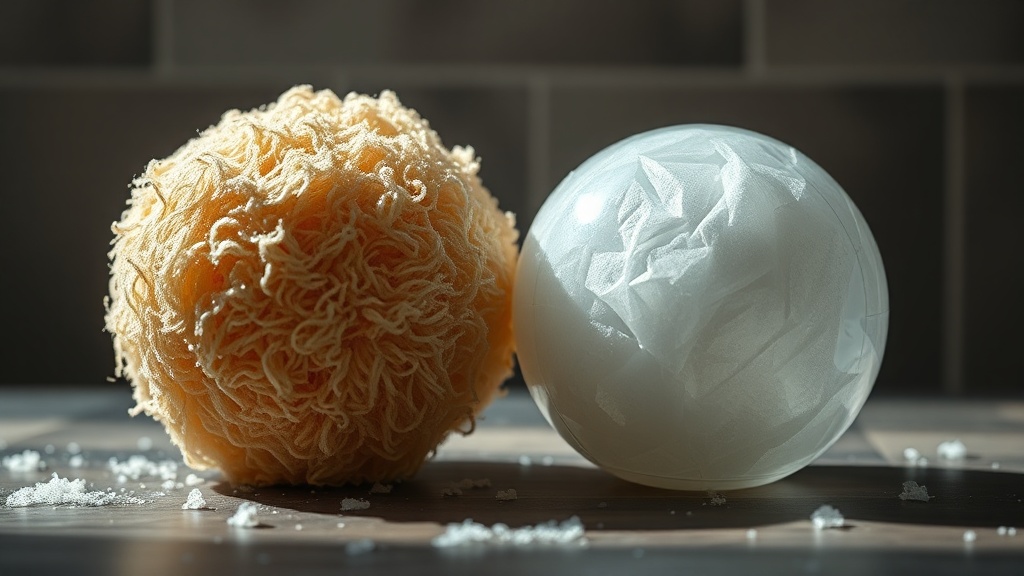
When evaluating the hygiene and environmental impact of everyday bath accessories, few comparisons are as data-rich — or as consequential — as the Natural Loofah vs Plastic Pouf debate. As a Sustainability Data Analyst holding both a LEED Green Associate credential and ISO 14001 Lead Auditor certification, I approach this question through two simultaneous lenses: microbial safety data and life cycle environmental performance. What happens inside your shower caddy over the course of 30 days is both a personal health issue and, at scale, a genuine ecological concern. This audit-style breakdown will walk you through the bacterial growth trajectory, environmental footprint, and evidence-based maintenance protocols for both products — so you can make a genuinely informed decision.
What Are Natural Loofahs and Plastic Poufs, Really?
Natural loofahs are derived from the dried fibrous skeleton of the Luffa aegyptiaca or Luffa acutangula plant — a gourd species, not a sea creature. Plastic poufs, also called bath lilies, are manufactured from synthetic petroleum-based polymers such as polyethylene or nylon.
This fundamental distinction — organic vs. petrochemical origin — drives nearly every difference in how these two products perform across hygiene, durability, and environmental impact. Natural loofah refers specifically to the dried, fibrous vascular network of the Luffa gourd fruit, harvested, dried, and processed without chemical treatment in most premium products. Its open-cell, sponge-like architecture is entirely plant-derived and fully compostable under standard composting conditions.
In contrast, a plastic pouf — technically a bath lily or bath scrunchie — is extruded from nylon or low-density polyethylene (LDPE) into a mesh structure that is then gathered and tied to maximize surface area. It is soft to the touch, long-lasting structurally, and inexpensive to produce. However, its petrochemical origin creates a markedly different environmental story at the end of its useful life, a point we will return to in detail.
The 30-Day Bacterial Audit: Colony-Forming Units Over Time
Both natural loofahs and plastic poufs create a warm, moist, porous environment — ideal conditions for bacterial proliferation. After 30 days of regular use, both materials show a significant spike in colony-forming units (CFUs), with pathogens including Pseudomonas aeruginosa, E. coli, and Staphylococcus aureus consistently identified.
The core mechanism driving bacterial colonization in both tools is identical: every shower deposits dead skin cells, body oils, and residual soap scum into the fibers or mesh folds. That organic debris — combined with trapped moisture and the warm ambient temperature of a bathroom — creates what microbiologists describe as an ideal biofilm substrate. Studies on bath sponges and scrubbing tools have repeatedly identified dangerous pathogens, including Pseudomonas aeruginosa, Escherichia coli, and Staphylococcus aureus, accumulating within these materials at clinically significant levels.
Natural loofahs, with their complex three-dimensional fibrous skeleton, are particularly effective at physically trapping dead skin cells deep within their structure. This is precisely what makes them excellent exfoliators — but it is also what makes them effective incubators. The organic matter embedded in the loofah’s interior is difficult to rinse out completely, providing a sustained nutrient source for bacterial colonies. In the absence of proper drying and periodic sanitization, the bacterial load within a natural loofah can escalate rapidly within the first two weeks of use.
Plastic poufs present a somewhat different but equally concerning picture. The dense, layered mesh folds create numerous anaerobic micro-pockets — low-oxygen zones where moisture lingers for hours after showering. While the synthetic polymer itself does not serve as an organic nutrient source, the trapped skin cells and soap residue within the folds are more than sufficient. After 30 days of use, the accumulation of dead skin cells and moisture within the fibers leads to a significant increase in bacterial colony-forming units, regardless of whether the tool is natural or synthetic.
“Loofahs and bath sponges are particularly problematic because they remain moist for extended periods and accumulate organic material — creating near-ideal conditions for microbial growth. Users often underestimate the contamination risk associated with these common bathroom tools.”
— Synthesized from peer-reviewed literature on household hygiene and bath accessory microbiology
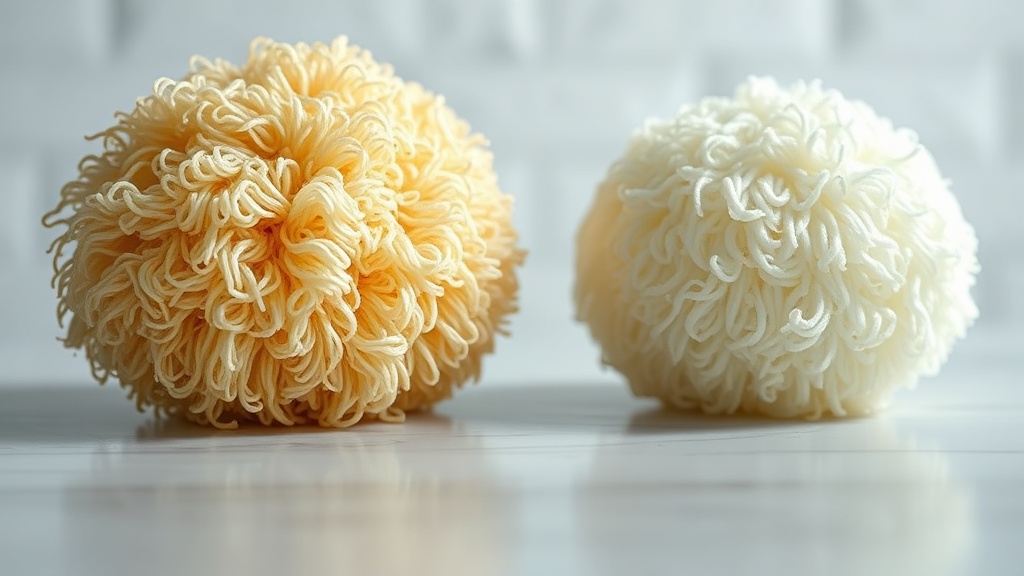
Comparative Data Table: Natural Loofah vs Plastic Pouf
The table below provides a structured, side-by-side audit of the two most common bath exfoliating tools across hygiene, environmental, and practical performance metrics — supporting evidence-based consumer decision-making.
| Audit Metric | Natural Loofah | Plastic Pouf |
|---|---|---|
| Material Origin | Plant-based (Luffa aegyptiaca / Luffa acutangula gourd) | Synthetic polymer (polyethylene / nylon) |
| Bacterial Risk After 30 Days | High — organic fibers trap skin cells and moisture, supporting CFU growth | High — mesh folds trap debris and create anaerobic pockets |
| Common Pathogens Identified | Staphylococcus aureus, E. coli, Pseudomonas aeruginosa | Staphylococcus aureus, E. coli, Pseudomonas aeruginosa |
| Recommended Replacement Cycle | Every 3–4 weeks | Every 6–8 weeks |
| Biodegradability | 100% biodegradable and compostable | Non-biodegradable; persists in landfill for decades |
| Microplastic Shedding | None | Yes — releases microplastic particles into wastewater during use |
| ISO 14001 Alignment | Strong — renewable resource, zero persistent waste | Weak — petroleum-derived, non-recyclable, microplastic pollutant |
| Carbon Footprint | Low (if sourced locally); moderate if imported | Moderate to high (petroleum extraction + manufacturing) |
| Exfoliation Efficacy | Moderate to high — natural fiber texture | Moderate — mesh texture, adjustable by layering |
| Cost Per Use Cycle | Low (frequent replacement offset by low unit cost) | Low to moderate (less frequent replacement but petrochemical cost) |
| End-of-Life Option | Home compost or garden mulch | General waste / landfill (most programs do not accept) |
Environmental Performance: ISO 14001 and Life Cycle Assessment Perspective
From an ISO 14001 environmental management standpoint, natural loofahs are unambiguously superior: they are biodegradable, compostable, and produced from renewable plant matter. Plastic poufs, by contrast, contribute to microplastic pollution in aquatic ecosystems and generate persistent solid waste with no viable end-of-life recovery pathway.
For professionals working within data-driven environmental auditing frameworks, the life cycle assessment (LCA) comparison between these two products is remarkably clear-cut. Natural loofahs are derived from a rapidly renewable annual crop, require no synthetic chemical processing in their basic form, and return to the soil as compostable organic material at the end of their short use-life. This closed-loop material flow aligns directly with ISO 14001 — the internationally recognized standard for environmental management systems — which emphasizes minimizing resource depletion and waste generation across the full product life cycle.
Plastic poufs, manufactured from petroleum-derived polymers, fail on multiple ISO 14001 and LEED Green Associate criteria simultaneously. First, they consume a non-renewable fossil resource as their raw material feedstock. Second, and critically, plastic poufs contribute to microplastic pollution — shedding synthetic polymer fragments during every single use. These microplastic particles are small enough to pass through standard municipal wastewater treatment infrastructure, ultimately depositing into rivers, coastal waters, and marine ecosystems where they bioaccumulate in the food chain. At a household scale this may seem negligible, but at population scale — with millions of plastic poufs in simultaneous daily use — the cumulative microplastic load discharged into global waterways represents a measurable and growing ecological burden.
Third, at their end of useful life, plastic poufs are categorically non-recyclable under virtually all municipal recycling programs. They enter the general waste stream and are destined for landfill or incineration — neither of which recovers value from the embedded material. The natural loofah, by contrast, can be composted at home within weeks, effectively returning the carbon and nutrients it sequestered during growth back to the soil cycle.
Dermatological Guidelines: Replacement Cycles and Skin Safety
Dermatological consensus recommends replacing natural loofahs every 3 to 4 weeks and plastic poufs every 6 to 8 weeks. Failure to adhere to these schedules substantially increases the risk of bacterial skin infections, particularly in individuals with compromised skin barriers or active skin conditions.
The differential replacement schedule between the two products reflects both their microbial dynamics and their structural characteristics. Natural loofahs, with their dense organic fiber matrix, accumulate bacterial biomass more rapidly than plastic poufs do, primarily because the organic substrate itself is a nutrient source for microbial communities. Dermatological guidelines therefore recommend a shorter replacement interval — every three to four weeks — to prevent the loofah from becoming a net source of bacterial contamination rather than a cleansing tool.
Plastic poufs can sustain a longer functional interval of six to eight weeks, not because they are inherently more hygienic in an absolute sense, but because the synthetic polymer mesh does not contribute organic nutrients to bacterial growth, slowing the rate of biofilm maturation. However, it is critical to understand that by the eight-week mark, a plastic pouf used daily in a non-ventilated shower will have accumulated a clinically significant bacterial load regardless. The structural durability of the pouf does not equate to microbiological safety at extended use intervals.
From a dermatological risk perspective, using either tool beyond its recommended replacement interval — or using any bath scrubber on freshly shaved or broken skin — creates direct pathways for opportunistic pathogens to enter the body. Staphylococcus aureus, one of the most commonly identified organisms in contaminated bath sponges, is a leading cause of skin and soft tissue infections including folliculitis, cellulitis, and in immunocompromised individuals, more serious systemic infections.
Best Practices for Hygiene and Sustainable Use
Maximizing both hygiene safety and environmental performance from either bath tool requires consistent drying protocols, periodic sanitization, strict adherence to replacement schedules, and — for the sustainability-conscious consumer — choosing a natural loofah as the lower-impact option across its full life cycle.
Regardless of which tool you use, the single most impactful hygiene practice is ensuring complete drying between uses. Bacteria require moisture to proliferate; a loofah or pouf that dries fully within an hour or two of use will accumulate microbial load far more slowly than one that stays damp in a closed shower stall. Hanging your bath tool on a hook outside the shower — ideally near a window or in a ventilated space — is the most effective structural intervention available to the average consumer.
Periodic sanitization extends the safe use interval for both products. A 10% diluted bleach solution soak for five minutes, or a thorough rinse with diluted tea tree oil (which carries evidence-based antimicrobial properties), can meaningfully reduce CFU counts mid-cycle. However, sanitization is supplementary maintenance — not a substitute for replacement. No cleaning protocol fully restores a loofah or pouf that has reached its replacement threshold, particularly in the deepest fiber layers where cleaning solutions cannot penetrate effectively.
For consumers committed to both personal health and environmental stewardship, the practical guidance is straightforward:
- Replace natural loofahs every 3–4 weeks without exception; calendar reminders are a simple and effective compliance tool.
- Store your bath tool outside the shower in a dry, ventilated location after every use.
- Avoid using any exfoliating tool on freshly shaved, broken, or actively irritated skin to prevent bacterial ingress through compromised skin barriers.
- At end of life, compost natural loofahs rather than discarding them in general waste — they will fully decompose within weeks in a hot compost system.
- If selecting a natural loofah, prioritize locally or regionally grown options to minimize the transportation-associated carbon footprint embedded in the product.
- If transitioning away from plastic poufs, consider silicone exfoliating pads as an alternative — they are non-porous, dishwasher-safe, and produce no microplastic shedding, though their long-term durability and disposal still require thoughtful management.
The evidence, when reviewed through both a microbiological and environmental lens, consistently points in the same direction. The natural loofah requires more frequent replacement and more attentive maintenance — but it does so without contributing persistent synthetic pollution to the planet’s water systems. For the informed consumer, that trade-off is not a compromise; it is the correct choice.
FAQ
Q: Is a natural loofah actually more hygienic than a plastic pouf after 30 days of use?
Not necessarily more hygienic — both accumulate dangerous levels of bacteria after 30 days if not maintained and replaced properly. The key pathogens identified in both tools include Pseudomonas aeruginosa, E. coli, and Staphylococcus aureus. The natural loofah’s organic fiber structure may accelerate bacterial growth slightly faster due to its nutrient-rich organic matrix, which is why its recommended replacement cycle (every 3–4 weeks) is shorter than that of the plastic pouf (every 6–8 weeks). Hygiene performance in both tools is primarily determined by drying practices and strict adherence to replacement schedules — not the material itself.
Q: Do plastic poufs really shed microplastics, and how serious is the environmental impact?
Yes — plastic poufs manufactured from polyethylene or nylon shed synthetic polymer microfibers and microparticles during each use. These microplastic particles are small enough to pass through standard municipal wastewater treatment systems and enter rivers, coastal waters, and marine ecosystems, where they bioaccumulate across the food chain. At an individual level the volume is small, but at population scale — with millions of plastic poufs in daily simultaneous use globally — the cumulative discharge represents a measurable ecological load. From an ISO 14001 life cycle assessment perspective, this microplastic shedding is a critical environmental liability that natural loofahs do not share.
Q: Can I extend the life of my natural loofah by sanitizing it regularly?
Periodic sanitization — using a 10% diluted bleach solution soak or a diluted tea tree oil rinse — can meaningfully reduce bacterial colony-forming units mid-cycle and extend the safe use interval modestly. However, no sanitization protocol fully penetrates the deepest layers of a natural loofah’s fibrous matrix, where bacterial biofilms are most established. Sanitization should be treated as supplementary maintenance, not a replacement for the recommended 3–4 week replacement cycle. After four weeks, the structural integrity of the loofah’s fibers also begins to degrade, reducing its exfoliation efficacy regardless of microbial load.
References
- Cleveland Clinic: Bath Sponge Hygiene and Skin Health Recommendations
- ISO 14001: Environmental Management Systems — International Organization for Standardization
- American Academy of Dermatology: Preventing Bacterial Skin Infections and Safe Exfoliation Practices
- Wikipedia: Microplastics — Sources, Environmental Impact, and Ecological Consequences
- Wikipedia: Luffa — Botanical Classification of Luffa aegyptiaca and Luffa acutangula