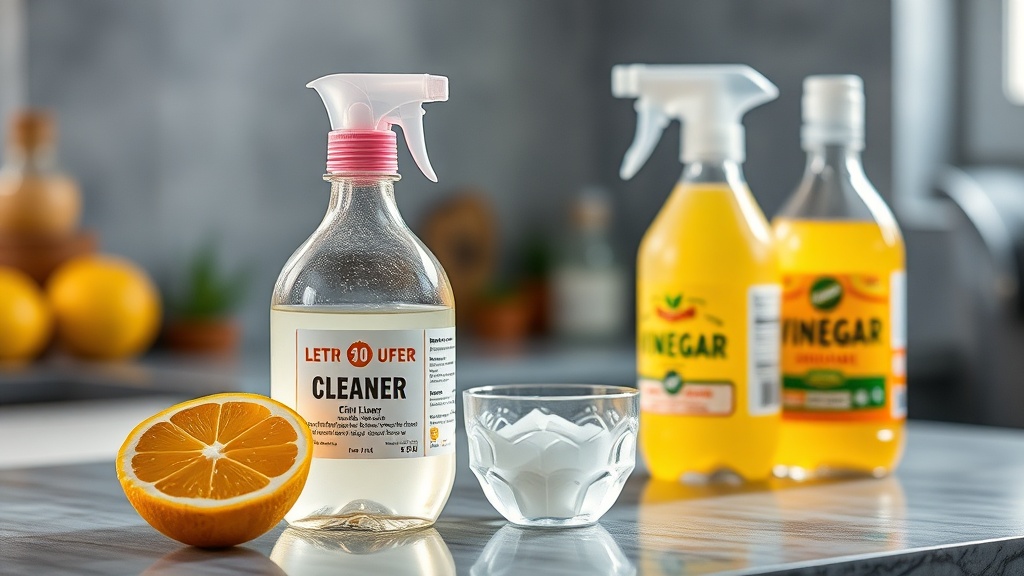
Understanding the chemical efficacy of DIY Citrus Vinegar Cleaners is essential for any sustainability-focused household or facility manager. As a LEED Green Associate and ISO 14001 Lead Auditor, I analyze these solutions not merely for their “green” marketing appeal, but for their measurable performance data, surface compatibility, and lifecycle environmental impact. The question of whether to mix your own citrus-vinegar cleaner or reach for a certified store-bought eco-brand is not a simple one — it involves pH chemistry, surfactant science, material vulnerability, and regulatory alignment. This guide delivers a rigorous, data-driven comparison to help you make the smartest and most sustainable choice for your space.
The Chemistry Behind DIY Citrus Vinegar Cleaners
DIY citrus vinegar cleaners rely on acetic acid (pH 2.4–3.0) and d-limonene from citrus peels to dissolve mineral deposits and cut through grease. While highly effective on hard water stains and alkaline residues, this low pH carries significant material compatibility risks that users must understand before application.
The foundational active ingredient in virtually every DIY citrus vinegar recipe is acetic acid, which is the primary component of distilled white vinegar at a standard concentration of approximately 5%. This chemical composition yields a solution with a pH level — a measure of hydrogen ion concentration indicating acidity or alkalinity — typically ranging from 2.4 to 3.0. This highly acidic profile is what makes vinegar exceptionally efficient at dissolving alkaline mineral deposits, including calcium carbonate scale from hard water and magnesium buildup inside kettles and showerheads.
When citrus peels are infused into the vinegar solution over a period of one to four weeks, the mixture gains a powerful secondary agent: d-limonene, a naturally occurring terpene and solvent found in the rinds of oranges, lemons, and grapefruits. D-limonene enhances the cleaner’s degreasing capabilities by penetrating and emulsifying oily residues that acetic acid alone struggles to lift. It also contributes documented antimicrobial properties, making the finished solution more effective against surface bacteria than plain vinegar in isolation.
However, the same low pH that makes vinegar a formidable descaler is a double-edged chemical sword. Prolonged or repeated exposure to vinegar’s high acidity can physically degrade rubber gaskets, seals, and certain appliance finishes — a critical consideration for facility managers maintaining commercial dishwashers, espresso machines, or HVAC condensate systems. The damage is cumulative and often invisible until a seal fails entirely, making this a risk that demands proactive material assessment before adopting vinegar as a routine cleaning agent.
How Store-Bought Eco Brands Engineer Their pH Advantage
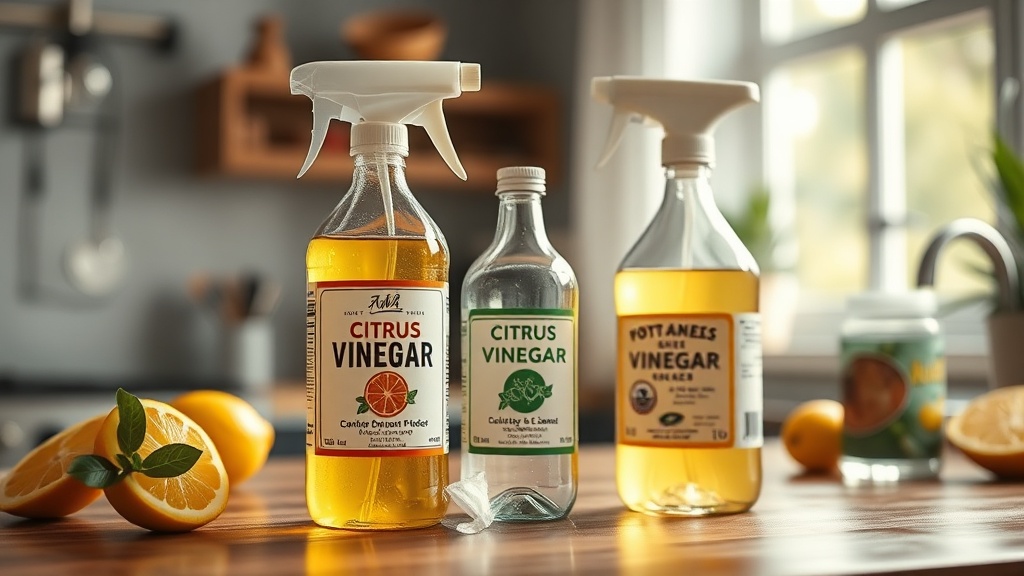
Commercial eco-certified cleaners are typically formulated to a pH-neutral range of 6–8 using plant-derived surfactants like alkyl polyglucosides, making them chemically safe for sensitive surfaces such as marble, granite, and natural stone that would be permanently etched by DIY vinegar solutions.
One of the most significant differentiators between homemade vinegar blends and certified commercial eco-brands is deliberate pH neutralization. Many leading eco-brands are specifically engineered to sit within a pH range of 6 to 8 — effectively neutral — to ensure broad surface compatibility. This formulation strategy is not an accident; it is a response to the real-world damage that acidic cleaners inflict on high-value materials including marble, granite, limestone, terrazzo, and polished concrete. Each of these porous stone surfaces is composed of calcium carbonate, which reacts chemically with acids, causing irreversible etching, dulling, and surface pitting.
To achieve effective cleaning at a neutral pH, commercial formulators integrate plant-derived surfactants, most notably alkyl polyglucosides (APGs) — compounds derived from glucose and fatty alcohols sourced from corn and coconut. These surfactants dramatically lower the surface tension of water, enabling the cleaning solution to spread across surfaces, penetrate soils, and lift suspended particles far more efficiently than vinegar-water solutions. According to peer-reviewed research on green surfactant systems, APGs demonstrate excellent biodegradability and low aquatic toxicity, aligning them closely with circular economy principles and water stewardship goals.
Furthermore, commercial eco-brands that carry certifications such as Green Seal or EcoLogo have undergone standardized efficacy and safety testing. This verification process evaluates not only cleaning performance against defined soil loads but also shelf-life stability — ensuring the product will not degrade, separate, or allow microbial growth within the bottle over time. DIY vinegar blends, while effective when freshly prepared, lack this third-party validation and may exhibit variable performance depending on infusion time, citrus variety, and storage conditions.
Performance Comparison: Application-Specific Guidance
Neither DIY citrus vinegar cleaners nor store-bought eco-brands are universally superior — optimal performance depends entirely on the surface type, soil composition, and required contact time. A data-driven, surface-specific selection strategy consistently outperforms a one-product-fits-all approach.
Understanding the precise strengths and limitations of each cleaning approach is what separates effective sustainability practice from greenwashing. The table below provides a structured, data-informed comparison across key performance dimensions relevant to both residential and commercial facility management contexts.
| Performance Dimension | DIY Citrus Vinegar Cleaner | Store-Bought Eco Brand |
|---|---|---|
| pH Range | 2.4 – 3.0 (Highly Acidic) | 6.0 – 8.0 (Neutral to Mildly Alkaline) |
| Primary Active Agent | Acetic Acid + D-Limonene | Alkyl Polyglucosides (APGs) + Enzymes |
| Hard Water Descaling | Excellent | Moderate (requires specialized formula) |
| Grease Removal | Moderate (enhanced by d-limonene) | Excellent (surfactant-assisted) |
| Safe on Natural Stone (Marble, Granite) | No — causes irreversible etching | Yes (pH-neutral formulas) |
| Safe on Rubber Seals & Gaskets | Risk of degradation over time | Generally safe |
| VOC Content | Zero synthetic VOCs | Low (varies by brand — verify label) |
| Plastic Packaging Waste | Minimal (reusable containers) | Moderate (recyclable varies by brand) |
| Third-Party Efficacy Testing | None | Green Seal / EcoLogo Certified |
| Cost Per Liter (Estimated) | $0.10 – $0.30 | $3.00 – $8.00 |
| Carbon Footprint (Lifecycle) | Very Low | Low to Moderate (logistics dependent) |
| LEED IEQ Contribution | High (zero synthetic VOCs) | High (if certified) |
Sustainability Audit: LEED and ISO 14001 Perspectives
From an ISO 14001 environmental management perspective, DIY citrus vinegar cleaners deliver measurable advantages in packaging waste reduction and transportation carbon emissions, while their zero synthetic VOC profile directly supports LEED Indoor Environmental Quality (IEQ) credit pathways.
When I conduct formal environmental audits aligned with ISO 14001 — the international standard for environmental management systems — one of the most consistently overlooked impact categories is product packaging and supply chain logistics. A single commercial cleaning product, even one bearing eco-certification, generates plastic packaging waste and accrues carbon emissions through manufacturing, warehousing, and last-mile distribution. By contrast, DIY citrus vinegar solutions are typically prepared in reusable glass spray bottles using ingredients sourced locally, dramatically compressing both the material waste footprint and transportation-related greenhouse gas emissions. For organizations actively managing their Scope 3 emissions inventory, this distinction is quantifiably meaningful.
Within the framework of LEED — the Leadership in Energy and Environmental Design rating system developed by the U.S. Green Building Council — cleaning product selection directly influences points under the Indoor Environmental Quality (IEQ) credit category. Because DIY citrus vinegar cleaners contain no synthetic Volatile Organic Compounds (VOCs), they present zero off-gassing risk to building occupants, supporting both respiratory health and LEED IEQ prerequisites. This makes them particularly valuable in sensitive environments such as schools, healthcare facilities, and residential green building projects. You can explore how data-driven methodologies strengthen these audit outcomes through our data-driven sustainability audits resource hub.
“The greenest cleaning product is not necessarily the one with the most certifications — it is the one whose full lifecycle, from raw material extraction to disposal, generates the least environmental burden relative to its performance.”
— Sustainability Data Analyst, EcoDataAudit.com
From a practical auditing standpoint, I recommend a hybrid protocol for most facilities: deploy DIY citrus vinegar cleaners for glass surfaces, ceramic fixtures, descaling tasks, and stainless steel appliances where acidity is an asset. Reserve certified commercial eco-brands for natural stone floors, wood surfaces, high-traffic degreasing zones, and any application requiring documented, third-party-verified efficacy — particularly in LEED-certified or ISO 14001-registered facilities where performance records may be subject to external review.
Practical Application Protocol: Maximizing Safety and Efficacy
Implementing a surface-specific cleaning matrix that assigns the correct cleaner type to each material category eliminates the most common damage risks while optimizing both environmental performance and cleaning outcomes across facility types.
Based on both chemical data and field auditing experience, the following protocol guidelines represent best practice for facilities integrating both DIY and commercial eco-cleaning into their environmental management program:
- Glass, Mirrors, Chrome Fixtures: DIY citrus vinegar cleaner is optimal — acidity dissolves mineral haze and soap scum without streaking.
- Ceramic Tile Grout: DIY citrus vinegar works effectively; allow 5-minute dwell time before scrubbing to maximize acid contact with alkaline calcium deposits.
- Coffee Makers and Kettles (Descaling): DIY vinegar solution is preferred — avoid rubber-seal contact by rinsing thoroughly after each descaling cycle.
- Marble, Granite, Limestone Countertops: Use only pH-neutral certified eco-brands; never apply vinegar — even diluted — to polished stone.
- Hardwood Floors: Certified eco-brand with pH 6–7; vinegar will gradually strip floor finish and raise wood grain.
- Refrigerator Interior Surfaces: DIY citrus vinegar is appropriate for non-rubber surfaces; avoid direct contact with door gaskets to prevent premature seal failure.
- Commercial Kitchen Degreasing: Commercial eco-brand with APG-based surfactants recommended for heavy accumulated grease loads requiring certified food-safe performance data.
FAQ
Is a DIY citrus vinegar cleaner strong enough to replace all commercial eco-cleaning products?
No. While DIY citrus vinegar cleaners excel at descaling, glass cleaning, and general surface disinfection due to their low pH (2.4–3.0) and d-limonene content, they cannot safely replace commercial eco-brands on all surfaces. Natural stone (marble, granite, limestone), rubber gaskets, and hardwood floors require pH-neutral formulas typically only found in certified commercial products. A hybrid approach — using each cleaner type where it performs best — is the most effective and safest sustainability strategy.
Do DIY citrus vinegar cleaners qualify for LEED Indoor Environmental Quality (IEQ) credits?
Yes, in most cases. Because DIY citrus vinegar cleaners contain zero synthetic Volatile Organic Compounds (VOCs), they align well with LEED IEQ credit requirements related to low-emitting cleaning products and occupant health protection. However, facilities pursuing formal LEED certification should document their cleaning protocols carefully, as third-party-verified products (such as those carrying Green Seal certification) typically provide more straightforward compliance evidence during audits.
How does vinegar’s acidity affect rubber seals and appliance longevity?
Prolonged or repeated exposure to vinegar’s acidity (pH 2.4–3.0) causes gradual chemical degradation of rubber compounds used in appliance gaskets, washing machine drum seals, dishwasher door seals, and refrigerator door gaskets. The degradation is cumulative — the rubber becomes brittle, loses flexibility, and eventually cracks or fails to maintain an airtight seal. To mitigate this risk, limit vinegar contact with rubber components, rinse thoroughly after use, and inspect seals regularly for early signs of brittleness or cracking.
References
- U.S. Environmental Protection Agency (EPA): Identifying Greener Cleaning Products
- U.S. Green Building Council (USGBC): LEED Rating System and Indoor Environmental Quality
- International Organization for Standardization: ISO 14001 Environmental Management Standards
- National Institutes of Health (NIH/PubMed): Green Surfactant Systems — Biodegradability and Environmental Safety
- Green Seal: Product Certification Standards for Cleaning Products