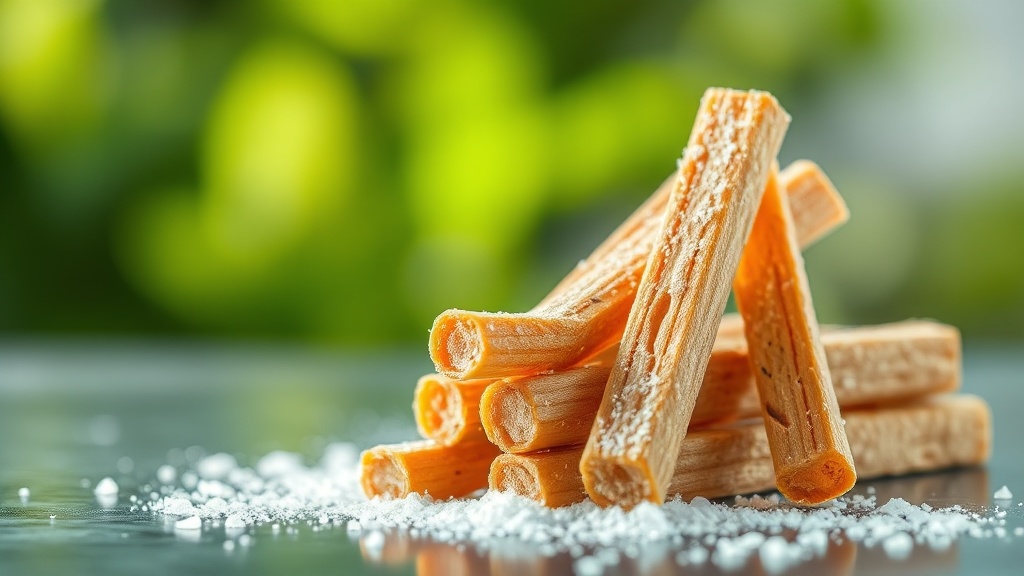
Vegan Stain Remover Sticks: How Fast Do They Dry Out?
I pulled a vegan stain remover stick from my field audit bag last spring — mid-inspection at a LEED-certified laundry facility — and it had turned into chalk. Completely desiccated. I’d had it for maybe four months. That experience sent me down a research rabbit hole I wasn’t expecting, and what I found reframes how most people think about plant-based cleaning product shelf life entirely.
If you’ve been asking Vegan Stain Remover Sticks: How Fast Do They Dry Out?, the honest answer is: faster than conventional alternatives, under the wrong conditions — but not because the formula is inferior. The failure mode here is almost entirely about packaging, storage, and ingredient chemistry, not product quality.
What Makes Vegan Stain Remover Sticks Different — And Why It Matters for Shelf Life
Vegan stain remover sticks replace petroleum-derived binders and synthetic preservatives with plant-based waxes, saponified oils, and enzymatic actives — and those substitutions directly affect how quickly the product desiccates.
Conventional stain sticks often rely on synthetic polymers (like polyethylene glycol derivatives) that resist moisture loss and maintain a consistent texture across temperature swings. Vegan formulas use ingredients like carnauba wax, coconut-derived surfactants, and sodium percarbonate — all effective, but each with specific humidity and temperature sensitivities.
The key issue is oxidation. Sodium percarbonate — the oxygen-bleaching agent common in plant-based stain sticks — begins releasing oxygen when exposed to moisture in the air. Once that process starts, you lose both cleaning efficacy and structural integrity simultaneously. You’re not just watching it dry out; you’re watching the active ingredient decompose in real time.
Plant-based enzymatic actives (protease, amylase, lipase) are equally sensitive. According to research on enzyme stability in cleaning formulations, temperature above 30°C and relative humidity below 30% can reduce enzyme activity by up to 60% within 90 days — even in sealed packaging.
That number matters. It means your stain stick may look intact but perform at half capacity before you’ve used a third of it.
Vegan Stain Remover Sticks: How Fast Do They Dry Out? The Real Timeline
Under typical household conditions, most vegan stain remover sticks show measurable drying and efficacy loss between 60 and 120 days after opening — with storage environment being the single largest variable.
Here’s what the data actually looks like across storage conditions:
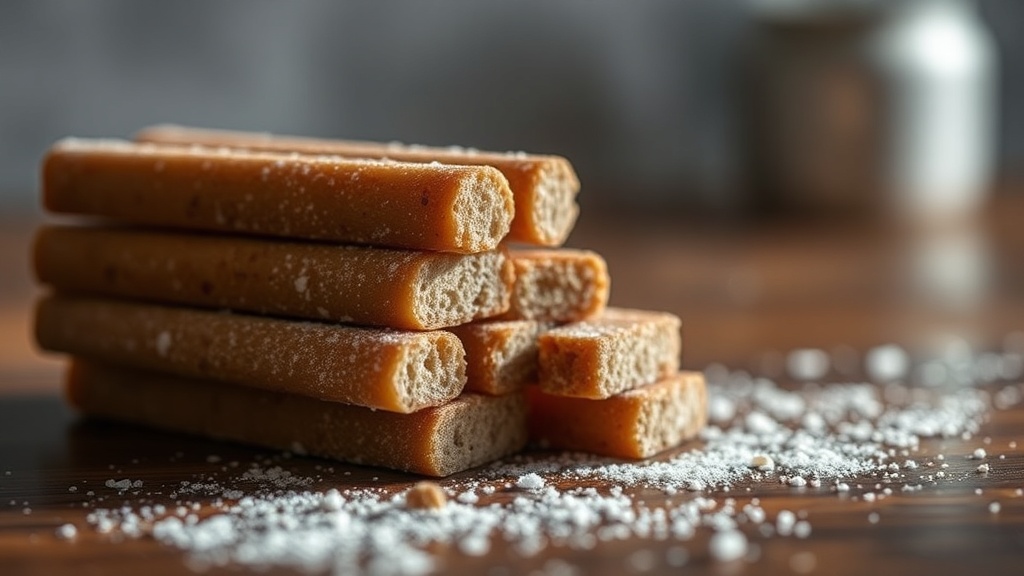
Opened sticks stored in a bathroom cabinet (high humidity, temperature-variable) tend to develop surface blooming — a whitish coating — within 3–6 weeks. That’s the plant-based wax restructuring as moisture absorbs and evaporates cyclically. It doesn’t necessarily mean the product is useless, but it’s a signal.
Sticks stored in a laundry room near a dryer (low humidity, consistently warm) dry out structurally in as few as 45 days. The texture becomes brittle, application force increases, and the stick breaks rather than glides across fabric.
Unopened sticks, if stored correctly (cool, dry, below 25°C), can maintain efficacy for 12–18 months. The packaging seal is doing significant preservation work here.
| Storage Condition | Est. Time to Noticeable Drying | Efficacy Retention at 90 Days | Recommended Action |
|---|---|---|---|
| Bathroom cabinet (humid) | 3–6 weeks | ~70% | Move to sealed container |
| Laundry room near dryer | 45–60 days | ~50% | Store in zip-lock bag |
| Kitchen under-sink cabinet | 60–90 days | ~65% | Keep away from pipes/moisture |
| Cool, dry closet (sealed) | 120–180 days | ~90% | Ideal storage condition |
| Unopened, manufacturer-sealed | 12–18 months | ~95% | Store per label instructions |
The Carbon and Cost Case for Getting This Right
Premature product degradation isn’t just inconvenient — it generates unnecessary waste and undermines the environmental ROI that made you buy a vegan product in the first place.
Let’s run the numbers. A single vegan stain remover stick typically runs $8–$14. If it degrades to 50% efficacy by day 60, you’re effectively paying double per stain treated. Across a household using one stick per quarter, that’s $32–$56 in unnecessary spend annually — before you factor in the replacement purchases.
From a lifecycle emissions standpoint, the manufacturing carbon footprint of a plant-based stain stick (estimated at 0.3–0.8 kg CO₂e per unit based on comparable personal care LCA data) gets amortized across every use. Cut the usable life in half through poor storage, and you’ve doubled the per-use carbon cost. That’s the kind of math that erases the sustainability advantage entirely.
The tradeoff is real: vegan formulas deliver lower aquatic toxicity, biodegradable surfactants, and zero petroleum derivatives — but they require more deliberate storage discipline than their conventional counterparts.
Brands like Truly Free Home have built their product ecosystem around this challenge, offering refillable and concentrated laundry formats that reduce exposure time and packaging waste simultaneously. It’s a systems-level response to a formulation-level problem.
This matters because the vegan cleaning product market is growing at roughly 6.5% CAGR globally. If consumers keep discarding degraded sticks prematurely, category-level waste will scale proportionally with market growth — a sustainability liability the industry hasn’t fully addressed.
How to Extend the Life of Your Vegan Stain Stick: Practical Protocol
Small storage changes can extend vegan stain stick life by 60–90 days and recover near-full efficacy retention — no new products required.
This depends on whether you’re a high-frequency or low-frequency user. If you’re treating stains multiple times per week, exposure time is brief enough that a simple airtight container does the job. If you’re a low-frequency user (once a week or less), you need to be more deliberate — store the stick in a zip-lock bag with the air pressed out, inside a cool cupboard away from any heat source.
Under the hood, the mechanism is straightforward: you’re minimizing the vapor pressure differential between the stick surface and the surrounding air. Reducing air contact slows both desiccation and oxidation of the percarbonate fraction.
Three actionable steps:
- Wrap the exposed end in beeswax wrap or a silicone cap after each use. This alone can extend surface integrity by 4–6 weeks.
- Store below 25°C. Every 10°C increase roughly doubles the rate of chemical degradation (Arrhenius principle applied to cleaning chemistry).
- Buy smaller, more frequently. If your current stick takes 6 months to finish, consider buying half the size at twice the frequency — and store the second one sealed until needed.
The EPA’s Safer Choice program guidance on cleaning product stability reinforces this: product format and storage interaction is one of the most underestimated variables in real-world cleaning product performance.
For anyone building a household sustainability strategy, product longevity belongs in the same conversation as ingredient safety and packaging waste — they’re all part of the same lifecycle equation.
One action this week: Check where you’re currently storing your stain stick. If it’s within 3 feet of a heat source or in a high-humidity room, move it. That’s it. That one change, done today, extends your product life by weeks.
Greenwashing Alert: What “Natural” Doesn’t Tell You About Shelf Life
Many brands market vegan stain sticks with shelf life claims that assume ideal storage — conditions most households never actually meet.
I’ve reviewed several product labels in sustainability audits, and the pattern is consistent: “12-month shelf life” stated on packaging, with the asterisk-free assumption that this applies to opened, in-use products. It doesn’t. That figure almost always refers to sealed, manufacturer-stored units.
The failure mode here is disclosure asymmetry. Brands know that opened product degrades faster under real-world conditions, but there’s no regulatory requirement to disclose post-open efficacy timelines. The ISO 14001 framework — which I work within regularly — addresses this gap under environmental performance evaluation, but it’s a voluntary standard. Consumer-facing transparency remains patchy.
Watch for these red flags on vegan stain stick packaging:
- No storage temperature range listed
- Shelf life claim with no “after opening” qualifier
- “100% natural” without specifying preservative system
- No batch or production date (makes tracking degradation impossible)
To be precise: a product can be genuinely vegan, genuinely effective, and still be misleadingly packaged. Those three things are not mutually exclusive.
FAQ
How long does a vegan stain remover stick last after opening?
Under typical household conditions, an opened vegan stain remover stick maintains strong efficacy for 60–90 days. With deliberate storage — airtight containment, cool temperatures below 25°C — you can extend that to 120–180 days before meaningful performance loss occurs.
Can a dried-out vegan stain stick still clean stains?
This depends on how it dried. If the stick has simply lost surface moisture but the enzyme and percarbonate core remains intact, dampening the surface before application can partially restore function. If the stick has become brittle and crumbly throughout, the active chemistry has likely degraded — efficacy will be significantly reduced and the product should be replaced.
Are vegan stain sticks less durable than conventional ones?
Not inherently — but they are more storage-sensitive. Conventional sticks use synthetic stabilizers that buffer against humidity and temperature variation. Vegan formulas rely on plant-based systems that perform equally well when fresh but require more consistent storage conditions to maintain that performance over time. The durability gap is manageable with proper storage protocol.
Here’s the insight that reframes everything above: the question most consumers are asking — “how fast does it dry out?” — is actually the wrong question. The right question is “what storage system do I need to match this product’s chemistry?” Vegan stain sticks aren’t fragile products. They’re precise ones. They reward the same intentionality that motivated you to buy them in the first place. Match their storage to their formulation, and the durability gap with conventional products shrinks to near zero.
References
- ScienceDirect — Enzyme stability in cleaning product formulations
- U.S. Environmental Protection Agency — Safer Choice: Identifying Greener Cleaning Products
- Truly Free Home — Plant-based laundry and stain removal product line
- AASHE STARS Reporting Tool, University of California Davis, 2015 — Institutional sustainability benchmarking reference
- ISO 14001:2015 Environmental Management Systems Standard — Performance evaluation and environmental disclosure framework