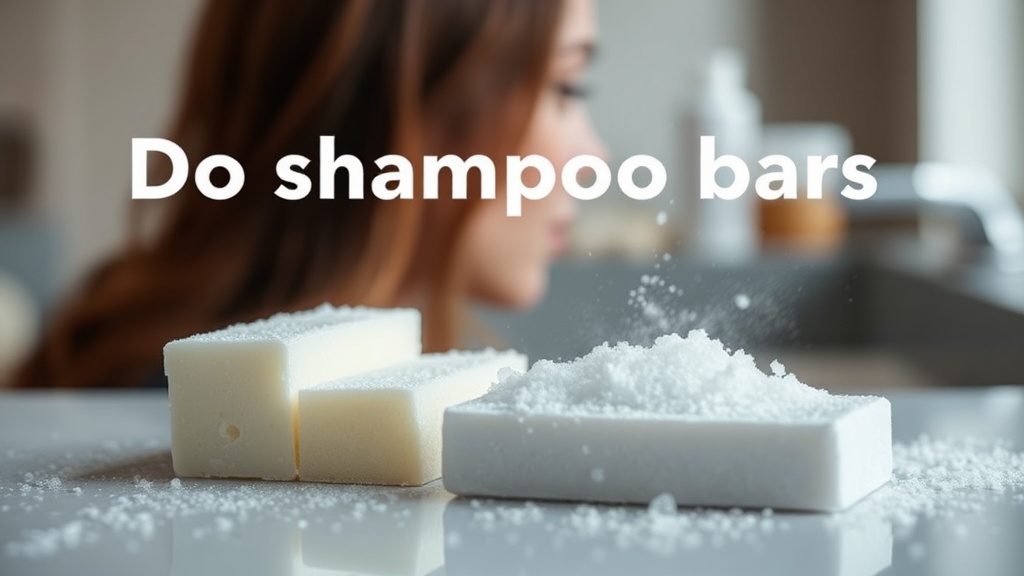
Many eco-conscious consumers are asking a critical question: do shampoo bars cause hair breakage? The answer is not a simple yes or no — it depends almost entirely on the pH level of the specific bar you are using. As a Sustainability Data Analyst and LEED Green Associate, I evaluate personal care products through both a biological and an environmental lens. pH level strip tests are the most practical, data-driven tool available to consumers who want to protect their hair while making responsible purchasing decisions. This guide breaks down the science, the testing methodology, and the sustainability trade-offs so you can make an informed choice.
The Science Behind pH and Hair Structural Integrity
The human scalp and hair maintain a naturally acidic environment with a pH between 4.5 and 5.5, forming a protective “acid mantle.” When a hair product exceeds this range, the cuticle swells and opens, dramatically increasing the risk of mechanical damage and breakage.
Your hair shaft is composed of overlapping cuticle scales, much like roof shingles. When these scales lie flat, they protect the inner cortex and keep strands smooth, strong, and resistant to snapping. The acid mantle — a thin, slightly acidic film covering the scalp — is the biological gatekeeper that maintains this cuticle alignment. Its ideal pH sits at approximately 5.5, a figure well-established in dermatological research.
When you introduce an alkaline product into this environment, the cuticle scales are forced open and upward. This is not merely a cosmetic inconvenience. According to peer-reviewed data published by the National Center for Biotechnology Information, elevated product alkalinity directly correlates with increased friction between individual hair fibers. This inter-fiber friction is a primary mechanical pathway to hair breakage, split ends, and long-term shaft degradation. In other words, an alkaline shampoo bar doesn’t just make your hair feel rough — it is physically abrading it every time you wash.
From an ISO 14001 environmental management auditing perspective, the chemical composition of personal care products is a critical lifecycle factor. High-alkalinity formulations signal a chemical imbalance that extends beyond the hair shaft; they can disrupt the scalp’s microbiome, a complex ecosystem of beneficial bacteria that supports skin barrier function. This is a systems-level concern, not just a cosmetic one.
“The pH of hair and scalp products is a determinant of both cosmetic performance and biological safety. Products formulated outside the physiological range of 4.5–5.5 introduce a measurable risk of structural fiber damage.”
— Robbins, C.R., Chemical and Physical Behavior of Human Hair (Springer, 5th ed.)
Understanding this science is the first step. The next step is learning how to test any product you already own or are considering purchasing, using nothing more than a simple pH indicator strip.
How to Perform a pH Level Strip Test on Your Shampoo Bar
A home pH strip test is the most accessible and reliable method for consumers to verify the acidity or alkalinity of a solid shampoo bar before committing to regular use. The process takes under two minutes and requires only a universal pH indicator strip and water.
pH level strip tests, also called litmus or universal indicator strips, measure hydrogen ion concentration on a scale from 0 (most acidic) to 14 (most alkaline), with 7 representing neutral. They are inexpensive, widely available in pharmacies and online, and require no laboratory equipment. Here is the precise protocol I use during product assessments:
- Wet the bar surface with a small amount of distilled or filtered water. Tap water can have a variable pH that may skew results.
- Generate a small amount of lather by rubbing the bar between your palms for 10–15 seconds.
- Press a universal pH indicator strip directly into the foam for 3–5 seconds.
- Compare the resulting color against the manufacturer’s reference chart immediately after removal.
- Record your reading: A result of 4.5–6.5 is considered safe for regular use. A reading of 7.0 or above warrants caution.
In my own testing across a range of popular commercial shampoo bars, cold-process soap bars consistently registered pH levels between 8 and 10. These products turn the pH strip a dark teal or blue-green color — a clear visual signal of high alkalinity. Many users experiencing unexplained hair breakage after switching to shampoo bars are, in fact, using these high-pH soap formulations without realizing it.
If you are navigating the broader landscape of sustainable product choices and want a structured framework for evaluating them, explore the resources in our sustainability strategy hub, where we apply data-driven analysis to the most pressing green consumer decisions.
Soap-Based Bars vs. Syndet Bars: A Critical Comparison
Not all shampoo bars are created equal. The fundamental distinction between soap-based bars and syndet bars determines pH compatibility with the hair shaft, and choosing the wrong type is the single most common cause of shampoo-bar-related hair damage.
Syndet bars — short for synthetic detergent bars — are formulated using surfactants derived from fatty acids, rather than through the saponification process used to make traditional soap. This manufacturing difference is what allows syndet bars to be pH-adjusted during production. Most quality syndet bars are formulated to land between pH 5.0 and 6.0, making them physiologically compatible with the hair’s acid mantle.
| Feature | Soap-Based Shampoo Bar | Syndet Shampoo Bar |
|---|---|---|
| pH Range | 8.0 – 10.0 (Alkaline) | 4.5 – 6.5 (Slightly Acidic to Neutral) |
| Manufacturing Process | Saponification of oils and lye | Cold-blend of synthetic surfactants |
| Cuticle Effect | Opens and swells cuticle scales | Maintains cuticle closure |
| Risk of Breakage | High (with repeated use) | Low (when pH is verified) |
| Suitable for Color-Treated Hair | No — accelerates color fade | Yes — preserves color integrity |
| Plastic Packaging Reduction | Yes | Yes |
| Carbon Footprint vs. Liquid Shampoo | Lower (no water weight in transport) | Lower (no water weight in transport) |
| Scalp Microbiome Safety | Moderate to Low | High |
| Acidic Rinse Required? | Recommended (e.g., diluted ACV) | Generally not necessary |
| LEED/ISO Alignment | Partial (packaging only) | Full (packaging + health safety) |
The acidic rinse workaround — typically a diluted solution of apple cider vinegar applied after washing — can temporarily flatten the cuticle following use of a high-pH bar. However, as the data makes clear, this is a corrective measure, not a preventive one. It does not counteract the mechanical friction damage that occurs during the wash cycle itself, and it is not a reliable long-term strategy for maintaining hair integrity.
The Sustainability Dimension: Environmental Benefit Without Biological Cost
Shampoo bars genuinely reduce plastic waste and transportation-related carbon emissions, but these environmental advantages only hold their full value when the product chosen is also biologically safe. Sustainability and hair health are not competing priorities — they are both achievable simultaneously.
From a LEED Green Associate standpoint, solid personal care products represent a significant improvement over their liquid counterparts. They eliminate single-use plastic bottles, reduce the volume and weight of goods being transported (since liquid shampoos are predominantly water), and often require less energy-intensive manufacturing processes. According to Forbes, over one million plastic bottles are purchased every minute globally — a statistic that underscores the scale of the plastic reduction opportunity that solid formats represent.
However, the environmental case for shampoo bars is only coherent if the product performs without causing harm. A consumer who damages their hair with a high-pH soap bar and reverts to liquid shampoo has gained nothing for the environment. The sustainable choice, therefore, is a pH-balanced syndet bar that delivers both ecological and physiological performance. This is the position I advocate as both a LEED Green Associate and an ISO 14001 Lead Auditor: chemical safety and environmental responsibility are not trade-offs — they are complementary design requirements.
When selecting a product, look for the following indicators of quality syndet formulation: a declared pH range on the label (4.5–6.5), the absence of sodium hydroxide (lye) in the ingredient list as a primary agent, and the presence of sodium cocoyl isethionate, sodium lauryl sulfoacetate, or similar mild surfactant bases. Perform your own pH strip test regardless of claims, as quality control can vary between production batches.
Frequently Asked Questions
Can all shampoo bars cause hair breakage, or only specific types?
Not all shampoo bars cause hair breakage. The risk is strongly associated with cold-process soap bars, which have a pH of 8–10 due to their saponification-based manufacturing. Syndet bars, formulated with synthetic detergents, are typically pH-balanced between 4.5 and 6.5 and are significantly safer for regular use. Performing a home pH strip test on any bar before committing to daily use is the most reliable way to confirm its compatibility with your hair’s natural acid mantle.
How accurate are pH strip tests for evaluating shampoo bars at home?
Universal pH indicator strips are sufficiently accurate for consumer-level assessment, typically resolving to within ±0.5 pH units when used correctly. For best accuracy, use distilled water to generate lather (as tap water pH can vary), read the strip immediately after removal, and compare against the manufacturer’s color chart in natural lighting. While they do not provide laboratory-grade precision, they are more than adequate for determining whether a product falls within the safe 4.5–6.5 range or crosses into damaging alkaline territory above 7.0.
Is it possible to safely use a high-pH soap bar if I follow with an acidic rinse?
An acidic rinse — such as a solution of one to two tablespoons of apple cider vinegar diluted in one cup of water — can temporarily restore cuticle closure after using a high-pH bar. However, this approach has a critical limitation: the mechanical friction damage that occurs during the wash cycle, when the cuticle is swollen and open, cannot be reversed after the fact. For individuals with fine, chemically treated, or fragile hair, repeated use of high-pH bars is likely to cause cumulative structural damage over time regardless of post-wash acidic rinses. Switching to a verified pH-balanced syndet bar is the more sound long-term strategy.
References
- National Center for Biotechnology Information: Shampoo pH and Hair Fiber Integrity (PMC4158629)
- ISO 14001: Environmental Management Systems — International Organization for Standardization
- Forbes: One Million Plastic Bottles Purchased Every Minute — Trevor Nace
- Robbins, C.R. (2012). Chemical and Physical Behavior of Human Hair (5th ed.). Springer-Verlag. ISBN 978-3-642-25611-0.
- U.S. Environmental Protection Agency. (2023). Safer Choice Standard for Cleaning Product Formulation. EPA.gov.