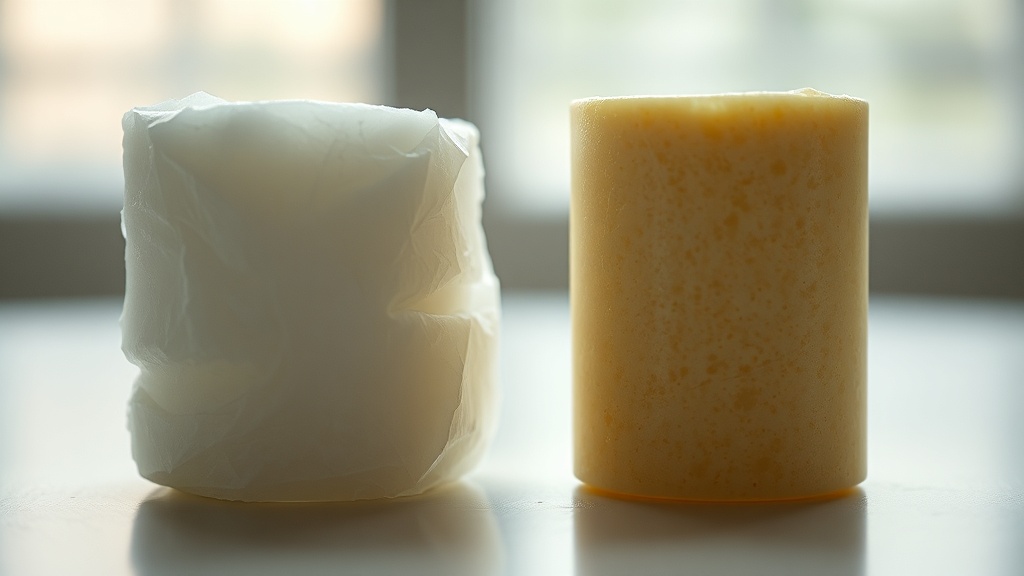
- Bleached TP (ECF): Processed with chlorine dioxide; produces trace organochlorine residues and low levels of dioxins.
- Bleached TP (TCF): Processed with oxygen, hydrogen peroxide, or ozone; zero chlorine-based chemical residues in the final product.
- Unbleached TP: No bleaching agents used whatsoever; retains natural brown pulp color and carries the highest environmental safety profile.
- Resource Impact: Unbleached production consumes measurably less water and energy than multi-stage bleaching sequences.
- Regulatory Alignment: TCF and unbleached products are preferred under ISO 14001 environmental management frameworks and LEED procurement policies.
Understanding the chemical distinctions between bleached and unbleached toilet paper is no longer a niche concern reserved for environmental engineers — it is an increasingly urgent consumer health and sustainability issue. As both a LEED Green Associate and an ISO 14001 Lead Auditor, I routinely assess paper procurement decisions for commercial facilities, and the data consistently reveals that the bleaching stage is where the majority of a product’s chemical burden originates. This article provides a rigorous, data-driven breakdown of the chemical residue differences between bleached and unbleached toilet paper, covering manufacturing chemistry, human health implications, and actionable guidance for both consumers and sustainability managers.
The Chemistry Behind Bleaching: What Actually Happens to the Pulp
Bleaching transforms raw wood or bamboo pulp into white paper through a multi-stage chemical process that introduces either chlorine-based or oxygen-based reagents; the specific chemistry used determines the type and volume of chemical residues left in the finished product.
Raw paper pulp is naturally brown due to the presence of lignin, a complex organic polymer that binds cellulose fibers together in plant cell walls. To produce the bright white toilet paper most consumers expect, manufacturers must chemically degrade and remove this lignin. The method used to accomplish this step is the single most important variable in determining the final product’s chemical residue profile.
Historically, the industry relied on elemental chlorine gas (Cl₂) for bleaching, a process now widely recognized as environmentally catastrophic due to its prolific generation of chlorinated organic compounds. Modern manufacturing has largely transitioned to one of two alternatives: Elemental Chlorine Free (ECF) or Totally Chlorine Free (TCF) bleaching. ECF bleaching replaces elemental chlorine with chlorine dioxide (ClO₂), which significantly reduces but does not entirely eliminate the production of dioxins — a family of highly toxic, chemically stable compounds classified as persistent organic pollutants. TCF bleaching, by contrast, utilizes oxygen, hydrogen peroxide, or ozone as the active bleaching agents, resulting in zero chlorine-based chemical residues in the final product. From a lifecycle chemistry standpoint, this is not a marginal difference — it is a categorical one.
“Dioxins are among the most toxic chemicals known to science. They are highly persistent in the environment and accumulate in the food chain, mainly in the fatty tissue of animals.”
— World Health Organization (WHO), Dioxins and Their Effects on Human Health
It is critical to note that ECF is currently the industry standard for the majority of consumer toilet paper brands globally. While ECF manufacturing represents a genuine improvement over elemental chlorine bleaching, marketing language such as “chlorine-free” can mislead consumers when it actually refers to ECF rather than TCF. A product can be labeled ECF and still generate trace dioxin and furan byproducts during manufacturing, releasing them into mill effluent and, potentially, leaving residual compounds in the paper fiber itself.
Dioxins as Persistent Organic Pollutants: The Health and Environmental Stakes
Dioxins produced during ECF bleaching are classified as persistent organic pollutants (POPs) that bioaccumulate in human fatty tissue and aquatic ecosystems, linking paper manufacturing chemistry directly to measurable long-term health risks.
Persistent organic pollutants (POPs) are chemical substances that resist environmental degradation through biological, chemical, and photolytic processes. Because they do not readily break down, they accumulate progressively through the food chain — a process known as biomagnification. Dioxins and furans generated during the paper bleaching process can enter waterways via mill effluent discharge, where they are absorbed by aquatic organisms, then concentrate further as they move up the food chain toward apex predators and, ultimately, humans.
The relevance for toilet paper is direct: the perianal region of the human body is highly permeable tissue. Studies examining dermal exposure pathways suggest that even trace residues of chlorinated organic compounds in paper products applied to sensitive mucous membranes warrant precautionary scrutiny. For individuals with compromised skin barriers, autoimmune conditions, or infants using chlorine-bleached baby wipes, this exposure pathway is especially worth evaluating.
From an environmental management standpoint, the discharge of organochlorine compounds from paper mills is a well-documented water quality issue. Facilities seeking to implement robust sustainability strategies consistently identify paper procurement — including toilet paper — as a high-leverage intervention point for reducing their chemical discharge footprint.
Unbleached Toilet Paper: The Zero-Residue Baseline
Unbleached toilet paper bypasses the bleaching stage entirely, retaining the natural brown color of wood or bamboo pulp and producing a product with no chemical bleaching residues and a substantially lower manufacturing footprint in terms of water and energy consumption.
Unbleached toilet paper is manufactured by processing pulp through mechanical or kraft pulping methods and stopping short of any chemical whitening stage. The result is a product that retains the natural tan or brown color of the source fiber — whether virgin wood pulp, recycled paper, or bamboo — along with its natural lignin content. While this aesthetic diverges from the bright white standard that decades of consumer marketing have normalized, the functional performance of unbleached paper for hygiene purposes is entirely comparable.
The resource efficiency advantages of unbleached production are significant. The production of unbleached paper generally requires less water and energy compared to the multi-stage bleaching processes required for white paper. Bleaching sequences — particularly ECF — typically involve four to eight distinct processing stages, each requiring water, energy input, and chemical reagents, followed by wastewater treatment to manage the resulting effluent. Eliminating these stages compresses the manufacturing footprint substantially, a factor that ISO 14001 environmental management standards directly incentivize by requiring organizations to identify and reduce significant environmental aspects in their supply chains.
For LEED-certified facilities, the procurement calculus is clear. LEED-certified buildings often prioritize TCF or unbleached paper products to reduce the building’s overall chemical footprint and support Indoor Environmental Quality (IEQ) credit categories. Specifying unbleached or certified TCF products in a facility’s sustainable purchasing policy is one of the most operationally straightforward ways to eliminate an ongoing chemical input without any disruption to occupant experience.
Head-to-Head Comparison: ECF vs. TCF vs. Unbleached
A structured comparison of the three primary toilet paper categories reveals clear, measurable differences in chemical residue risk, environmental processing burden, and alignment with green building and environmental management standards.
| Attribute | Bleached (ECF) | Bleached (TCF) | Unbleached |
|---|---|---|---|
| Primary Bleaching Agent | Chlorine Dioxide (ClO₂) | O₂ / H₂O₂ / Ozone | None |
| Dioxin / Furan Formation | Low (trace levels) | Zero | Zero |
| Chlorine-Based Residues | Trace organochlorines | None | None |
| Water & Energy Demand | High (multi-stage) | Moderate | Lowest |
| Final Product Color | Bright White | Bright White | Natural Brown/Tan |
| ISO 14001 Alignment | Partial | Strong | Strongest |
| LEED Procurement Preference | Low | High | Highest |
| Consumer Health Risk (Residue) | Low-to-Moderate | Negligible | Negligible |
Practical Guidance: How to Make Smarter Purchasing Decisions
Consumers and facility managers can meaningfully reduce their chemical exposure and environmental impact by prioritizing TCF-certified or unbleached toilet paper, verifying claims through third-party certifications rather than relying on manufacturer marketing language alone.
The first and most important step is to distinguish between ECF and TCF labeling. Because “chlorine-free” is a marketing term that can legally apply to ECF products, consumers should look specifically for TCF certification or unbleached product designations. Third-party certifications from organizations such as the GREENGUARD Certification program or the FSC (Forest Stewardship Council) provide additional verification of reduced chemical inputs and responsible sourcing.
For facility managers operating under ISO 14001 or pursuing LEED certification, the procurement policy should explicitly specify TCF or unbleached paper products as the preferred specification. This designation supports multiple environmental objectives simultaneously: reduced chemical discharge to wastewater systems, lower embodied energy in purchased goods, and reduced occupant exposure to residual chemicals — all of which can be documented as measurable improvements under an ISO 14001 environmental management system’s objectives and targets framework.
It is also worth noting that bamboo-based unbleached toilet paper combines the zero-residue benefit of bypassing bleaching with the additional sustainability advantage of bamboo’s rapid regeneration cycle and lower pesticide requirements compared to conventional wood pulp. For facilities with ambitious sustainability targets, bamboo-based unbleached options represent the current high-water mark in responsible paper procurement.
FAQ
Q: Is ECF toilet paper safe for everyday use?
ECF (Elemental Chlorine Free) toilet paper is considered low-risk for the general population under normal use conditions. However, it does involve chlorine dioxide in its manufacturing process, which can produce trace organochlorine residues. For individuals with sensitive skin, compromised immune systems, or those applying paper products to mucous membranes, switching to TCF or unbleached alternatives is a prudent precautionary measure supported by the available toxicological data on dioxin bioaccumulation.
Q: What does “Totally Chlorine Free” actually mean on a label?
TCF (Totally Chlorine Free) means that the paper pulp was bleached — or whitened — without the use of any chlorine-based chemistry whatsoever. The bleaching agents used are oxygen, hydrogen peroxide, or ozone, none of which generate dioxins or chlorinated organic byproducts. A TCF-labeled product delivers the white color consumers expect while producing zero chlorine-based chemical residues in the finished paper. This designation is meaningfully different from ECF (“Elemental Chlorine Free”), which still uses chlorine dioxide.
Q: Why do LEED-certified buildings prefer unbleached or TCF paper products?
LEED (Leadership in Energy and Environmental Design) certification frameworks evaluate the holistic environmental performance of a building, including its purchasing and procurement practices. Unbleached and TCF paper products align with LEED’s Indoor Environmental Quality and Sustainable Purchasing credit categories because they eliminate the introduction of chlorinated chemical residues into the built environment. Additionally, their lower water and energy manufacturing footprint supports a LEED facility’s overall strategy of minimizing its supply chain environmental impact — a principle also reinforced by ISO 14001 environmental management standards.
References
- World Health Organization (WHO) — Dioxins and Their Effects on Human Health
- U.S. Environmental Protection Agency (EPA) — Dioxin Overview
- ISO — ISO 14001 Environmental Management Systems
- NRDC — Issue with Tissue: How Toilet Paper Brands Rank on Sustainability
- UL GREENGUARD Certification — Chemical Emissions Standards for Products