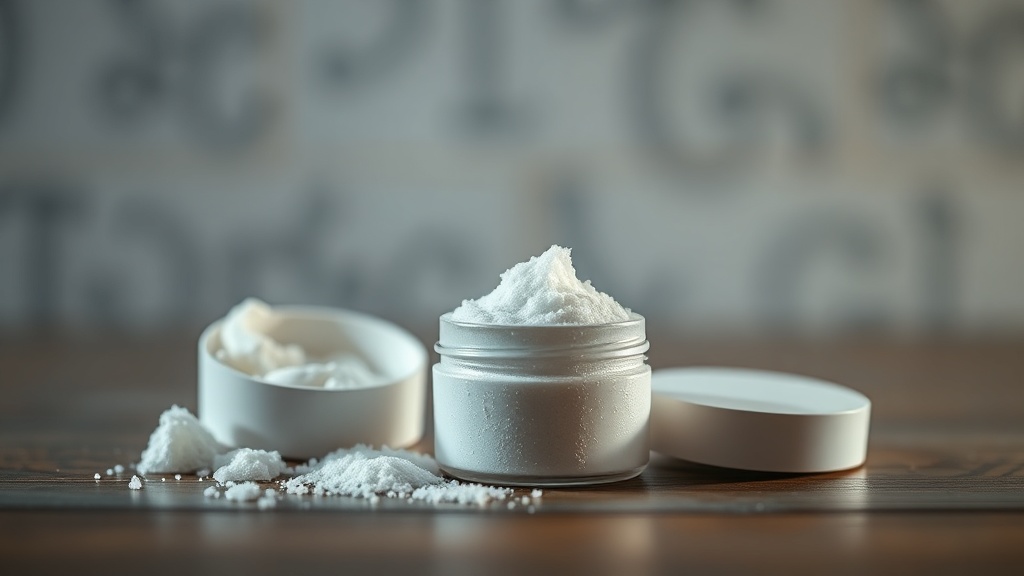
Choosing an aluminum-free baking soda deodorant has become a defining shift in the personal care market, as health-conscious consumers actively seek to eliminate synthetic chemicals from their daily routines. Yet the data surrounding skin irritation tells a considerably more complex story. While these products are legitimately marketed as natural alternatives to conventional antiperspirants, a meaningful percentage of users — particularly those with sensitive or compromised skin — report significant adverse reactions. Understanding the biochemical reasons behind these reactions, and knowing which sustainable alternatives exist, is essential for making a truly informed choice.
The Science Behind Aluminum-Free Baking Soda Deodorant Irritation
Aluminum-free baking soda deodorants disrupt the skin’s natural acid mantle by introducing a highly alkaline substance (pH 8.0–9.0) to a surface designed to function at pH 4.5–5.5, causing chronic biochemical stress and triggering contact dermatitis in susceptible individuals.
As a LEED Green Associate and ISO 14001 Lead Auditor, I approach product safety through the dual lens of chemical stability and human biological impact. Sodium bicarbonate, commonly known as baking soda, is the primary active ingredient in most aluminum-free deodorant formulas. Its mechanism of action is straightforward: it neutralizes the volatile fatty acids produced by odor-causing bacteria in the underarm environment. However, its effectiveness as an antimicrobial agent comes with a significant physiological trade-off.
Human skin maintains a finely regulated acidic surface layer known as the acid mantle, a thin film composed of sebum, sweat, and amino acids that typically registers between pH 4.5 and 5.5. This slightly acidic environment is not incidental — it actively inhibits the growth of pathogenic bacteria and fungi while supporting the integrity of the skin’s epidermal barrier. When a substance registering at pH 8.0 to 9.0 is applied to this surface on a daily basis, it creates a persistent alkaline shift that the skin’s buffering systems struggle to correct. Over time, this chronic imbalance degrades the acid mantle’s protective function, leading to transepidermal water loss (TEWL) and increased vulnerability to environmental irritants.
The consequences are clinically observable. Chronic alkalinity disrupts the enzymatic pathways responsible for ceramide synthesis — the lipid molecules that act as the skin’s mortar between cells. Without adequate ceramide production, the epidermal barrier becomes porous, allowing irritants to penetrate more deeply and triggering inflammatory immune responses. This cascade is the primary biological mechanism underlying the phenomenon colloquially known as the “natural deodorant rash.”
“The skin barrier’s lipid matrix is exquisitely sensitive to pH shifts. Repeated alkaline exposure doesn’t just cause surface irritation — it structurally compromises the stratum corneum over time.”
— Dermatological consensus on barrier function and pH, consistent with published research in the Journal of Investigative Dermatology
Common symptoms experienced by affected users include persistent redness, intense itching, painful stinging or burning sensations, and in more severe or prolonged cases, post-inflammatory hyperpigmentation — a darkening of the armpit skin caused by melanin overproduction as a response to repeated inflammatory stress. This latter symptom is particularly distressing for users because it may persist for weeks or months even after discontinuing the offending product.
Skin Irritation Statistics: How Common Is Baking Soda Sensitivity?
Clinical observations indicate that between 10% and 20% of individuals with sensitive skin develop contact dermatitis or visible rashes when using high-concentration baking soda deodorant formulas, making this one of the most statistically significant adverse reactions in the natural personal care category.
The prevalence of baking soda sensitivity is not trivial. Epidemiological data from dermatology clinics and consumer reporting studies consistently suggest that roughly 1 in 5 users with pre-existing skin sensitivities will encounter some form of irritation within the first month of transitioning to a baking soda-based natural deodorant. Even among the general population without a documented history of sensitive skin, a smaller but non-negligible cohort reports reactions after sustained use — particularly when high-concentration formulas are used in combination with activities that generate friction or sweat.
It is worth noting that the physical form of sodium bicarbonate matters. Powder-grade baking soda has a particulate structure with sharp, angular edges at the microscopic level. When applied to the delicate axillary skin — especially after shaving, which temporarily removes the uppermost cell layers — these particles can create micro-abrasions that serve as entry points for the alkaline compound to penetrate deeper skin layers. This mechanical irritation compounds the pH-driven chemical irritation, accelerating the onset and severity of symptoms.
The statistical reality of these adverse outcomes has prompted a significant market response. Formulators and brands are increasingly launching “baking soda-free” natural deodorant lines explicitly positioned for sensitive skin. According to peer-reviewed research on skin barrier function and cosmetic ingredient safety published in dermatology literature, the reformulation trend reflects a growing body of evidence that “natural” does not automatically equate to “compatible with all skin types.”
For a deeper exploration of ingredient transparency and how sustainability frameworks intersect with personal care product formulation, our sustainability strategy resource hub provides data-driven analysis across multiple product categories and environmental impact assessments.
Environmental and Regulatory Considerations: ISO 14001 and LEED Perspectives
ISO 14001 environmental management frameworks and LEED Green Associate standards both support the evaluation of chemical safety and life cycle impacts in personal care formulations, reinforcing that “natural” ingredient sourcing must also account for end-user health outcomes and VOC reduction.
From a sustainability auditing perspective, the evaluation of a deodorant product cannot stop at ingredient sourcing or packaging recyclability. ISO 14001 environmental management systems require organizations to assess the full life cycle of a product, including its chemical safety profile and its interaction with human health at the point of use. In this framework, a product that causes dermatological harm — even if its ingredients are biodegradable — does not achieve a holistic sustainability rating.
LEED Green Associate standards offer a complementary lens. These standards prioritize the reduction of indoor environmental pollutants, with specific attention to minimizing volatile organic compounds (VOCs) — chemical compounds that vaporize at room temperature and can degrade indoor air quality. Traditional aerosol antiperspirants are significant contributors to personal VOC exposure, which is one reason aluminum-free, non-aerosol deodorants have gained traction in green building and wellness-centered environments. However, the LEED framework’s broader commitment to occupant health means that products causing skin sensitization also fall under scrutiny.
The intersection of these two frameworks creates a clear mandate: sustainable personal care products must satisfy both environmental compatibility criteria and human health safety thresholds. A baking soda deodorant that generates dermatological waste — additional medical consultations, topical corticosteroid use, or secondary skincare products to manage the irritation — introduces a hidden environmental and health cost that undermines its green credentials.
Sustainable Alternatives to Baking Soda: Ingredient-Level Analysis
Magnesium hydroxide and zinc ricinoleate are the leading evidence-backed alternatives to baking soda in natural deodorant formulations, offering effective odor control at a skin-compatible pH range without disrupting the acid mantle or triggering contact dermatitis.
The personal care industry’s response to widespread baking soda sensitivity has accelerated innovation in alternative odor-neutralizing chemistry. Two compounds in particular have emerged as scientifically validated replacements with superior skin compatibility profiles.
| Ingredient | pH Level | Odor Control Mechanism | Skin Compatibility | Environmental Profile |
|---|---|---|---|---|
| Sodium Bicarbonate (Baking Soda) | 8.0 – 9.0 | Alkaline neutralization of odor-causing fatty acids; antimicrobial activity | Low for sensitive skin; risk of contact dermatitis in 10–20% of users | Naturally derived; minimal ecotoxicity; but micro-abrasion risk at point of use |
| Magnesium Hydroxide | ~9.0 (ionic activity near skin surface stabilizes lower) | Disrupts bacterial enzymatic pathways; inhibits odor production at source | High; does not typically cause acid mantle disruption in practical application | Mineral-derived; generally regarded as safe (GRAS) by regulatory bodies |
| Zinc Ricinoleate | Neutral to mildly acidic | Molecular absorption and encapsulation of odor molecules | Very high; non-irritating; compatible with most skin types including sensitive | Derived from castor oil; biodegradable; low environmental persistence |
| Traditional Aluminum Salts (Antiperspirant) | 4.0 – 5.0 | Temporary occlusion of sweat gland ducts; reduces moisture available for bacterial growth | Generally tolerated; mild irritation possible; long-term safety debated | Mined mineral; concerns over water treatment impacts; aerosol delivery adds VOCs |
Magnesium hydroxide works by disrupting the enzymatic metabolism of bacteria responsible for producing malodorous volatile compounds, rather than by creating a broadly alkaline environment. While its intrinsic pH is also elevated, its low solubility means that far less ionic alkalinity reaches the skin surface compared to baking soda — a critical distinction in terms of real-world acid mantle impact.
Zinc ricinoleate, derived from the saponification of castor oil, operates through an entirely different mechanism: it physically encapsulates odor molecules through a process of molecular absorption, preventing them from becoming airborne without altering the skin’s biochemical environment. This makes it particularly suitable for individuals with reactive skin, post-inflammatory hyperpigmentation concerns, or those in recovery from baking soda-induced dermatitis.
Practical Guidance: How to Transition Safely
A structured transition protocol — including a patch test, a skin recovery period, and an informed ingredient evaluation — can significantly reduce the risk of adverse reactions when switching to or between natural deodorant formulas.
For consumers currently experiencing irritation from a baking soda-containing formula, or for those considering their first transition to a natural deodorant, the following evidence-based protocol is recommended:
- Conduct a Patch Test First: Apply a small amount of the new product to the inner forearm — not directly to the axilla — for 24 to 48 hours before full application. This isolates potential sensitization reactions without risking widespread underarm irritation.
- Allow a Skin Recovery Period: If you are transitioning away from a baking soda formula due to irritation, allow the underarm skin a minimum of 5 to 7 days of recovery before introducing any new active deodorant ingredient. Use only a fragrance-free, pH-balanced cleanser during this window.
- Read pH Data on Formulas: Reputable natural deodorant brands are increasingly publishing the pH of their formulations. Prioritize products that explicitly target a pH range of 5.0 to 7.0 for optimal skin compatibility.
- Evaluate Full Ingredient Lists: Cross-reference the INCI (International Nomenclature of Cosmetic Ingredients) list for terms such as Sodium Bicarbonate (baking soda), Magnesium Hydroxide, or Zinc Ricinoleate to understand the active ingredient architecture before purchase.
- Consult a Dermatologist for Persistent Reactions: If redness, darkening, or stinging persists beyond two weeks after discontinuing baking soda-based products, consult a board-certified dermatologist. Post-inflammatory hyperpigmentation may require targeted treatment with niacinamide or azelaic acid formulations.
Frequently Asked Questions (FAQ)
Why does baking soda in deodorant cause a rash for some people but not others?
The primary variable is skin pH sensitivity and the integrity of each individual’s acid mantle. People with thinner epidermal barriers, a history of eczema, or who have recently shaved the underarm area have reduced resistance to the alkaline disruption caused by sodium bicarbonate (pH 8.0–9.0). Those with naturally resilient skin barriers can often tolerate baking soda formulas without noticeable irritation. Additionally, product concentration matters — higher baking soda content correlates with faster and more severe reactions in sensitive individuals.
Are magnesium-based deodorants truly more sustainable than baking soda formulas?
From an ISO 14001 life cycle assessment perspective, magnesium hydroxide-based deodorants offer a more holistic sustainability profile. While both ingredients are naturally derived, the health cost associated with baking soda sensitivity — including downstream use of topical treatments and medical consultations — creates an environmental and economic burden not captured in simple ingredient-level analysis. Magnesium hydroxide is regarded as environmentally benign, biodegradable at the point of disposal, and far less likely to generate the secondary product waste associated with managing skin reactions.
Can hyperpigmentation caused by baking soda deodorant be reversed?
Yes, in most cases post-inflammatory hyperpigmentation caused by baking soda-induced contact dermatitis is reversible, but the timeline varies from individual to individual. Discontinuing the offending product is the essential first step. Topical ingredients with evidence-based brightening and barrier-repairing properties — including niacinamide (Vitamin B3), azelaic acid, and ceramide-rich moisturizers — can accelerate the resolution of hyperpigmentation. Full recovery may take anywhere from four weeks to six months, depending on the severity of the original inflammatory response and the user’s skin tone and melanin reactivity.
References
- ISO 14001 Environmental Management Systems — International Organization for Standardization
- U.S. Green Building Council: LEED Standards and Certification
- American Academy of Dermatology: Contact Dermatitis — Causes, Symptoms, and Treatment
- National Institutes of Health / PubMed Central: Skin Barrier Function and Cosmetic Ingredient Safety
- Wikipedia: Acid Mantle — Skin pH and Barrier Function Overview