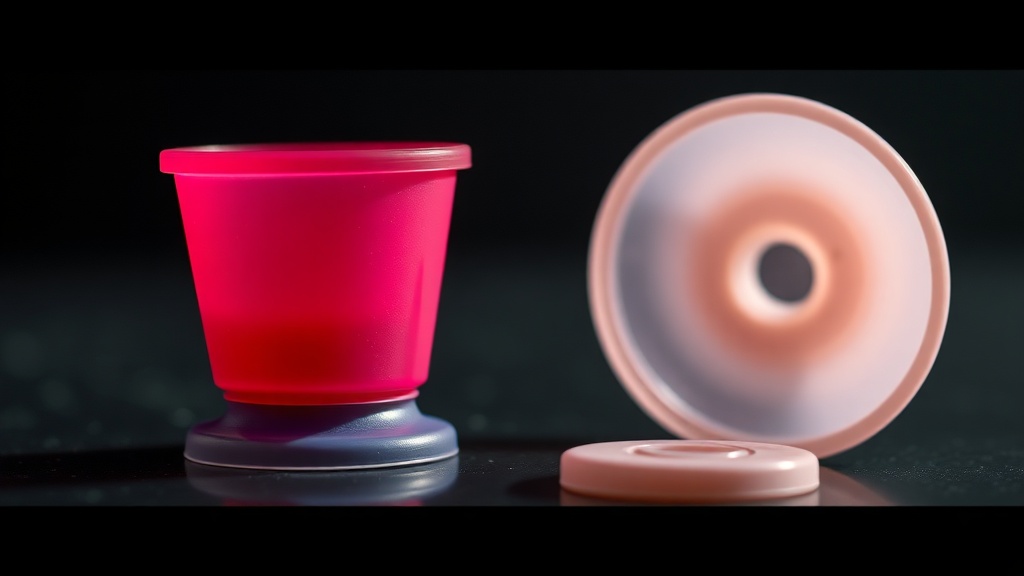
Choosing between menstrual cups and menstrual discs is no longer a purely personal decision — it is an informed sustainability choice backed by material science, life cycle assessments, and environmental management frameworks. As a Sustainability Data Analyst holding a LEED Green Associate credential and ISO 14001 Lead Auditor certification, I evaluate these products through a lens that goes far beyond comfort and convenience. This guide delivers a rigorous, data-driven comparison of menstrual cups versus discs, examining their anatomical design, capacity metrics, silicone integrity, and measurable environmental impact over their full product lifespan.
Anatomical Design and Placement: How Each Product Works
Menstrual cups are bell-shaped devices that sit inside the vaginal canal, relying on a suction seal against the vaginal walls, while menstrual discs are flatter and designed to rest at the cervical fornix — a fundamentally different anatomical position that changes both functionality and comfort profiles.
Understanding the biomechanics of each device is the first step toward making an educated choice. A menstrual cup is a bell-shaped, flexible device engineered to sit within the lower vaginal canal. It creates a negative-pressure seal — essentially a vacuum — against the vaginal walls to prevent leakage. This suction mechanism is highly effective during physical activity such as running, swimming, or yoga, where pressure differentials inside the body could otherwise cause spillage.
A menstrual disc, by contrast, is a shallow, flat-rimmed device designed to be positioned significantly higher in the reproductive tract. It tucks behind the pubic bone and rests in the vaginal fornix — the internal space that surrounds the cervix. Because it does not rely on suction but on anatomical positioning, its retention mechanism is entirely different. Users with a higher cervix often find discs more anatomically intuitive, while those with a lower cervix may find cups easier to manage.
This positional difference has a profound practical consequence: because the disc sits at the fornix rather than blocking the vaginal canal, it uniquely enables mess-free penetrative intercourse during menstruation — a feature that no traditional menstrual cup can replicate due to its lower placement and suction seal. This is not merely a lifestyle benefit; it reflects a design philosophy that prioritizes comprehensive usability across a menstruating person’s full range of activities.
Capacity, Flow Management, and Heavy Period Suitability
Menstrual discs offer a significantly higher fluid capacity — up to 70ml — compared to standard menstrual cups, which typically hold between 20ml and 30ml, making discs the clinically superior option for individuals managing heavy menstrual flow.
From a quantitative standpoint, capacity is one of the most decisive differentiators in the menstrual cup versus disc debate. Standard menstrual cups available on the market hold approximately 20 to 30 milliliters of fluid at maximum capacity. Some larger-sized cups can reach up to 40ml, but this requires a specific anatomy and a higher degree of user experience with the product.
Menstrual discs, however, can accommodate up to 70 milliliters — more than double the capacity of a standard cup. For individuals with clinically heavy menstrual flow, or those diagnosed with conditions such as endometriosis, fibroids, or adenomyosis, this capacity difference is not trivial. It can mean the difference between changing a device every two hours versus wearing it comfortably through a full workday without interruption.
According to research published in peer-reviewed literature on menstrual health, heavy menstrual bleeding (HMB) is defined as blood loss exceeding 80ml per cycle. For these users, the disc’s 70ml capacity per single wear offers a quantifiable reduction in change frequency and therefore a higher quality of daily functioning. For a detailed breakdown of how these products fit within broader sustainability strategy frameworks for personal care product transitions, our resource hub offers comprehensive lifecycle analysis data.
Material Science: Medical-Grade Silicone and Long-Term Integrity
Both menstrual cups and discs are manufactured from medical-grade silicone — a non-porous, hypoallergenic, and bacterially resistant material — but the long-term structural integrity of this silicone under repeated sterilization cycles is a critical factor in determining their true environmental value.
The material foundation of both products is medical-grade silicone — a platinum-cured polymer compound that is FDA-compliant, non-porous, free of BPA and phthalates, and resistant to the proliferation of bacterial biofilms. Unlike foam or cotton-based menstrual products, silicone does not absorb fluids into its structure, which means that microbial contamination risk is dramatically lower when the product is cleaned and sterilized correctly.
From an ISO 14001 environmental management perspective, material durability is a key indicator within the product stewardship pillar of any environmental management system. A silicone cup or disc that is properly maintained — boiled in water for 5 to 10 minutes between cycles and stored in breathable fabric pouches — can maintain structural and hygienic integrity for 5 to 10 years. However, material fatigue is a real phenomenon. Silicone that is exposed to harsh chemical disinfectants, extreme UV light, or repeated micro-abrasions from incorrect insertion techniques can degrade in as few as 2 to 3 years, significantly diminishing the environmental return on investment.
“The durability of medical-grade silicone under repeated sterilization is the single most important variable in calculating the true lifecycle environmental benefit of reusable menstrual products.”
— Sustainability Data Analyst, ISO 14001 Lead Auditor, EcoDataAudit
As a LEED Green Associate, I align product durability analysis with the LEED credit framework under USGBC’s LEED Rating System, which explicitly rewards solid waste reduction strategies in building and operations management. Adopting reusable personal care products is a scalable, individual-level action that mirrors institutional sustainability goals.
Life Cycle Assessment: Waste Reduction by the Numbers
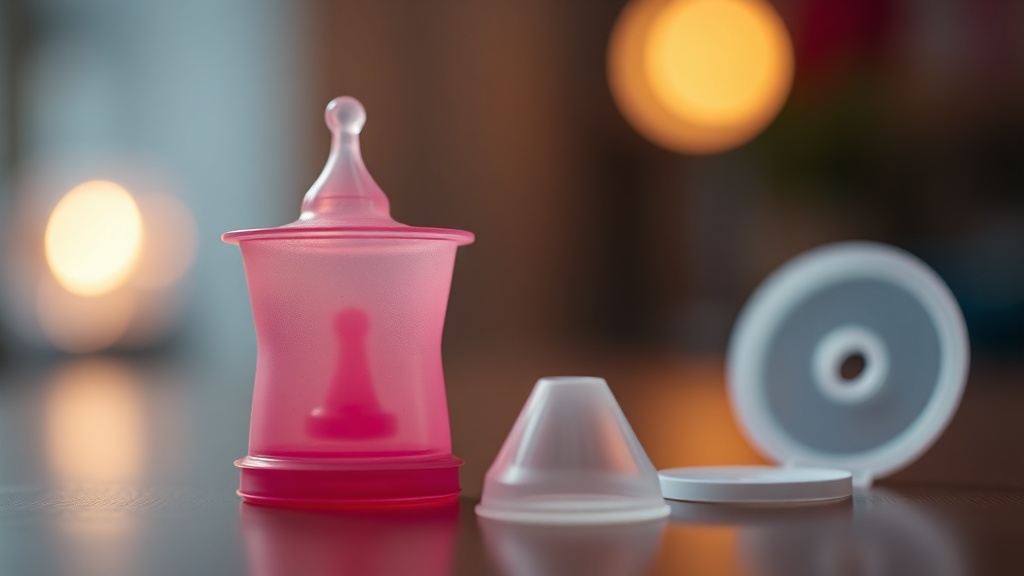
A single reusable menstrual cup or disc can replace thousands of single-use tampons and pads over its 5-to-10-year operational lifespan, delivering a measurable and auditable reduction in both solid waste generation and carbon emissions associated with disposable menstrual product manufacturing.
Life Cycle Assessment (LCA) is a standardized methodology, codified under ISO 14040 and ISO 14044, used to evaluate the total environmental impact of a product from raw material extraction through end-of-life disposal. When applied to menstrual products, the LCA data is striking. The average menstruating individual uses between 5,000 and 15,000 disposable pads or tampons over the course of their reproductive lifetime.
Each conventional tampon or pad is a composite product — cotton, synthetic fibers, plastic applicators, adhesive strips, and individual plastic wrapping — all of which contribute to landfill accumulation and, in many cases, marine plastic pollution. In contrast, a single reusable silicone cup or disc, maintained for a full 10-year lifespan, eliminates the need for approximately 1,200 to 2,400 single-use products depending on cycle length and flow intensity.
According to Wikipedia’s overview of Life Cycle Assessment methodology, LCA results must account for all upstream manufacturing impacts as well as downstream use-phase and end-of-life emissions. Even accounting for the energy and water used in silicone manufacturing and sterilization, studies consistently show that reusable menstrual products generate between 50% and 80% less greenhouse gas equivalent over a comparable use period than disposable alternatives.
The ISO 14001 environmental management standard, which governs organizational approaches to environmental performance, emphasizes the principle of waste minimization as a core operational target. The transition to reusable menstrual products is, at an individual level, a direct and verifiable application of this principle — reducing both product waste volume and the associated upstream manufacturing emissions.
Comparative Feature Table: Menstrual Cups vs Discs
The following data table provides a structured side-by-side comparison of key technical, functional, and environmental metrics for menstrual cups and menstrual discs to support informed decision-making.
| Feature | Menstrual Cup | Menstrual Disc |
|---|---|---|
| Shape | Bell-shaped, flexible | Flat, shallow-rimmed disc |
| Placement | Lower vaginal canal | Vaginal fornix (behind pubic bone) |
| Retention Mechanism | Suction seal against vaginal walls | Anatomical positioning, no suction |
| Typical Capacity | 20–30ml (up to 40ml large) | Up to 70ml |
| Intercourse During Period | Not possible | Possible (mess-free) |
| Primary Material | Medical-grade silicone | Medical-grade silicone (some disposable TPE) |
| Estimated Lifespan | 5–10 years (reusable) | 5–10 years (reusable) / single-use options available |
| Waste Elimination Potential | Replaces ~1,200–2,400 single-use products | Replaces ~1,200–2,400 single-use products |
| Best For | Active users, lower cervix anatomy | Heavy flow, higher cervix, intercourse during period |
| ISO 14001 Alignment | High — long-term waste reduction | High — high-capacity reduces change frequency |
| LEED Solid Waste Relevance | Supports LEED waste diversion credits | Supports LEED waste diversion credits |
| Learning Curve | Moderate (requires fold technique) | Moderate to High (requires fornix targeting) |
LEED, ISO 14001, and the Institutional Case for Reusable Menstrual Products
Both ISO 14001 environmental management standards and LEED Green Building principles provide formal frameworks that directly support the institutional adoption of reusable menstrual products as part of a measurable solid waste reduction strategy.
While menstrual product choices are typically framed as personal decisions, sustainability professionals operating within institutional frameworks recognize their collective environmental significance. The ISO 14001 Environmental Management System standard requires organizations to identify and control significant environmental aspects of their operations. For organizations managing large campuses, universities, healthcare facilities, or corporate offices, the provision of — and education about — reusable menstrual products in facility restrooms represents a quantifiable improvement in solid waste metrics.
LEED Green Associate principles similarly emphasize waste stream minimization as a scored credit category. Under LEED v4’s Materials and Resources (MR) credit category, facilities earn points for reducing landfill contributions. While personal care products are not explicitly itemized in LEED scorecards, the broader operational philosophy of zero-waste facility management clearly encompasses the elimination of unnecessary single-use personal care product waste.
From an auditor’s standpoint, the transition from disposable to reusable menstrual products is one of the highest-ROI, lowest-cost interventions available at both the individual and institutional level. It requires no infrastructure investment, produces immediate measurable waste reduction, and delivers continuous environmental benefits over a multi-year product lifespan.
Making the Right Choice: A Data-Driven Decision Framework
The optimal choice between a menstrual cup and a menstrual disc depends on three key variables: anatomical compatibility (cervix height), flow volume, and lifestyle requirements — each of which can be systematically evaluated using the decision criteria outlined below.
For sustainability-conscious individuals approaching this decision analytically, the following framework applies. First, assess anatomical compatibility: individuals with a lower cervix typically experience greater comfort and ease of use with a menstrual cup, while those with a higher cervix may find the disc’s placement more intuitive. Second, evaluate flow volume: if average flow exceeds 30ml per wear period, a menstrual disc’s 70ml capacity provides a meaningful functional advantage and reduces environmental impact from more frequent changes. Third, consider lifestyle specifics: if mess-free intercourse during menstruation is a priority, the disc is the only viable internal reusable option on the market.
From a pure environmental standpoint, both products are statistically equivalent in their waste-reduction potential over a full lifespan. The priority should therefore be selecting the device most likely to be used consistently and maintained properly — because a cup or disc abandoned after six months due to discomfort delivers far less environmental value than one used reliably for ten years.
Frequently Asked Questions
Can I use a menstrual disc if I have a low cervix?
While menstrual discs are designed to sit in the vaginal fornix and are generally better suited to those with a higher cervix, some users with a lower cervix do successfully use them. The key challenge is ensuring the disc rim tucks fully behind the pubic bone. It is recommended to consult with a gynecologist before choosing a disc if you have a confirmed low cervix, as a menstrual cup may provide a more reliable suction seal and more comfortable fit in this anatomy.
How does silicone degradation affect the environmental benefits of reusable menstrual products?
Silicone degradation is a critical variable in the lifecycle environmental equation. Medical-grade silicone used in both cups and discs is designed to withstand repeated sterilization cycles — typically 5 to 10 years when boiled in water and stored correctly. However, exposure to harsh chemical disinfectants (such as bleach or hydrogen peroxide), excessive UV light, or physical micro-abrasion from improper cleaning can accelerate material fatigue and reduce the product’s functional lifespan to as little as 2 to 3 years. Premature replacement undermines the waste-reduction benefits and inflates the product’s effective carbon footprint per use cycle.
Are menstrual discs better for the environment than menstrual cups?
From a pure Life Cycle Assessment perspective, both reusable menstrual cups and reusable menstrual discs deliver comparable environmental benefits — each replacing thousands of single-use tampons and pads over a 5-to-10-year lifespan. The disc’s higher per-wear capacity (up to 70ml vs. 20–30ml for a cup) means fewer daily changes, which slightly reduces the water and energy used for sterilization over time. However, it is important to note that some menstrual discs are sold as single-use disposables; these provide no long-term environmental advantage. For maximum environmental benefit, always choose a fully reusable silicone disc over disposable disc alternatives.
References
- Mayo Clinic — Women’s Health: Menstrual Product Guidance and Gynecological Standards
- ISO — ISO 14001: Environmental Management Systems Requirements and Application
- U.S. Green Building Council — LEED Rating System: Materials, Resources, and Waste Reduction Credits
- Wikipedia — Life Cycle Assessment: ISO 14040/14044 Methodology Overview