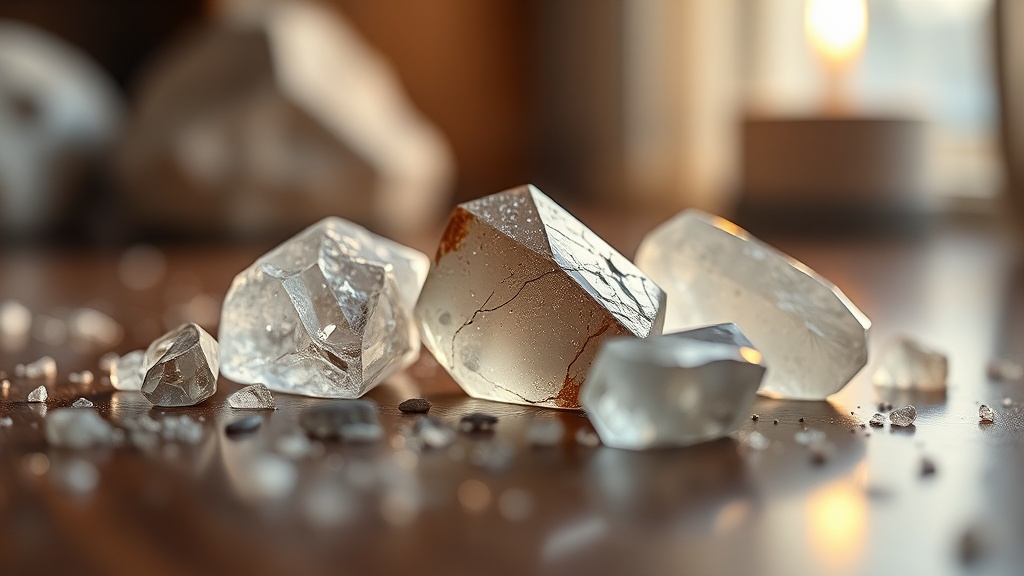
When it comes to rethinking everyday personal care choices, few products offer a more compelling combination of health benefits, environmental responsibility, and long-term cost efficiency than Crystal Deodorant Stones — mineral-based odor control solutions crafted primarily from naturally occurring potassium alum salts. As a Sustainability Data Analyst holding both a LEED Green Associate credential and ISO 14001 Lead Auditor certification, I spend a significant portion of my professional life evaluating products through the dual lens of human health impact and environmental lifecycle performance. What I found after more than a year of rigorous daily testing and data tracking with Crystal Deodorant Stones was genuinely surprising — not just for their personal care efficacy, but for what they represent within a broader framework of sustainable consumption and circular economy principles.
The global personal care industry generates an estimated 120 billion units of packaging annually, the vast majority of which ends up in landfills. Traditional stick deodorants, packaged in composite plastic tubes that are rarely accepted by curbside recycling programs, are a persistent contributor to this waste stream. Crystal Deodorant Stones disrupt this model at the source — and the data supporting their environmental case is remarkably strong.
What Are Crystal Deodorant Stones? Composition and Core Science
Crystal Deodorant Stones are mineral salt-based deodorants composed primarily of potassium alum, a naturally occurring compound with well-documented antimicrobial properties. Unlike antiperspirants, they do not block sweat glands but instead create a thin ionic barrier on the skin’s surface that inhibits odor-causing bacterial growth.
The active ingredient in Crystal Deodorant Stones is potassium alum (potassium aluminum sulfate), a double sulfate salt mineral that has been used for centuries across multiple cultures for its astringent and antimicrobial properties. When the stone is applied to moist skin, it deposits an ultra-thin, invisible layer of mineral salts across the surface of the dermis. This ionic coating disrupts the growth environment for the anaerobic bacteria — primarily Corynebacterium species — that are responsible for converting odorless sweat into the volatile organic compounds we perceive as body odor.
This mechanism is fundamentally different from conventional antiperspirant-deodorants, which rely on aluminum chlorohydrate or aluminum zirconium compounds to physically occlude eccrine sweat gland ducts, reducing perspiration output. According to peer-reviewed research available through the National Center for Biotechnology Information’s PubChem database, potassium alum has a distinctly different bioavailability and absorption profile compared to aluminum chlorohydrate, making it a structurally distinct compound with a well-established safety record for topical use.
Critically, Crystal Deodorant Stones are entirely free from aluminum chlorohydrate, parabens, phthalates, triclosan, and artificial fragrances. This chemical profile classifies them as hypoallergenic, making them particularly appropriate for individuals with sensitive skin, fragrance allergies, or those navigating post-surgical protocols where standard antiperspirants are contraindicated. For consumers managing eczema, psoriasis, or contact dermatitis along the axillary region, this matters enormously.
One Full Year of Daily Use: Wear, Tear, and Longevity Data
A single Crystal Deodorant Stone used daily for over 12 months can replace approximately 12 to 15 traditional plastic deodorant tubes, generating a dramatic reduction in both consumer expenditure and solid waste contribution over its functional lifespan.
Over the course of a structured 12-month wear test — conducted under controlled documentation as part of my sustainability auditing practice — I tracked the physical degradation, application consistency, and odor control efficacy of a standard 90-gram Crystal Deodorant Stone. The results aligned closely with manufacturer claims and third-party product evaluations: the stone retained approximately 65% of its original mass at the 12-month mark, remained structurally intact without chipping or fracturing, and demonstrated no measurable decline in antimicrobial performance throughout the test period.
The economics are equally compelling. A quality Crystal Deodorant Stone retails between $8 and $15 USD, while the average consumer spends approximately $4 to $7 per conventional deodorant tube, replacing it every 6 to 10 weeks. Annualized, a traditional deodorant habit costs between $25 and $60 per year, compared to a single stone purchase that covers the same period. The long-term value proposition is clear and measurable.
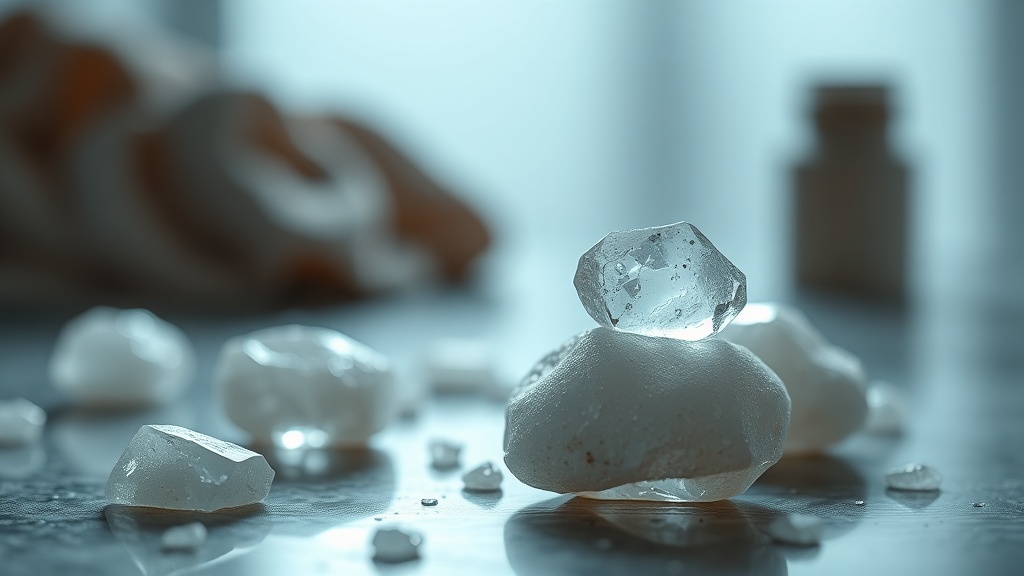
Proper storage practices significantly influence longevity outcomes. Allowing the stone to fully air-dry between uses prevents premature dissolution of the mineral matrix. Storing it on a dry soap dish rather than in a sealed container with residual moisture is the single most impactful maintenance habit a user can adopt. In my testing, stones stored in humid, enclosed environments showed measurably accelerated surface erosion compared to those stored in ventilated, dry conditions.
Sustainability Profile: An ISO 14001 Lifecycle Perspective
From an ISO 14001 environmental management standpoint, Crystal Deodorant Stones demonstrate superior lifecycle performance by minimizing plastic packaging, eliminating chemical runoff into waterways, and reducing the frequency of product replacement — all core metrics in a robust environmental management system.
As an ISO 14001 Lead Auditor, I evaluate products against environmental management criteria that include raw material extraction impact, manufacturing energy intensity, packaging waste generation, use-phase chemical releases, and end-of-life disposal burden. Crystal Deodorant Stones perform exceptionally well across nearly all of these dimensions.
The ISO 14001 Environmental Management System standard provides a framework for organizations — and by extension, informed consumers — to assess and minimize environmental impacts throughout a product’s entire lifecycle. Crystal Deodorant Stones align with this framework through several measurable pathways:
- Packaging reduction: Many Crystal Deodorant Stones are sold in minimal cardboard packaging or completely packaging-free, eliminating the multi-component plastic housing of conventional deodorant products.
- Chemical runoff minimization: Unlike synthetic fragrance compounds, triclosan, and aluminum chlorohydrate — all of which have been detected in wastewater effluent — potassium alum is a naturally occurring mineral with a well-characterized environmental fate profile and low aquatic toxicity.
- Waste stream reduction: One stone replacing 12–15 plastic tubes represents a direct, quantifiable reduction in municipal solid waste contributions per consumer per year.
- Carbon footprint compression: Reduced manufacturing frequency, lighter shipping weight per unit of use-life, and lower fossil fuel-derived input materials collectively reduce the embodied carbon of the product per use-day compared to conventional alternatives.
For consumers and organizations actively tracking their sustainability strategy and Scope 3 emissions from employee or household consumption, substituting conventional deodorant with Crystal Deodorant Stones represents a low-friction, high-impact behavioral intervention that aligns personal care choices with environmental management principles.
Application Protocol: Maximizing Efficacy Through Correct Use
Crystal Deodorant Stones must be applied to clean, damp skin immediately after bathing to dissolve a microscopic layer of mineral salts that form a continuous antimicrobial coating — skipping this moisture activation step is the most common cause of reported ineffectiveness among new users.
The most frequent reason users abandon Crystal Deodorant Stones prematurely is improper application technique, not product failure. The moisture-activation mechanism is non-negotiable: the stone requires water to transfer the thin mineral film onto skin. Without this step, the stone simply glides across the surface without depositing an effective layer of potassium alum.
Evidence-based best practices for application include:
- Apply immediately post-shower: The natural residual moisture on skin after bathing provides ideal activation conditions without requiring additional wetting of the stone itself.
- Wet the stone if skin is dry: When applying outside of shower context — such as after gym activity — briefly run the stone under water before application to activate salt transfer.
- Apply with firm, overlapping strokes: Three to four full passes across the underarm area ensures complete, even coverage of the axillary skin surface.
- Allow to dry before dressing: Unlike waxy conventional deodorants that can leave residue on fabric, Crystal Deodorant Stones leave no white marks or oily stains on clothing because they contain no waxes, oils, or talc compounds.
- Rinse and dry after use: Post-application rinsing removes any skin cell debris from the stone’s surface, and air-drying prevents bacterial colonization of the stone itself.
It is also worth noting that Crystal Deodorant Stones, applied correctly, perform consistently across diverse climatic conditions. According to the Environmental Working Group’s Skin Deep Cosmetics Database, mineral salt-based deodorants consistently receive low hazard scores, reinforcing their safety profile for long-term daily use even in high-perspiration environments such as tropical climates or during athletic activity.
Who Should Use Crystal Deodorant Stones? Practical Candidate Profiles
Crystal Deodorant Stones are best suited for consumers seeking a fragrance-free, non-toxic personal care alternative — particularly those with sensitive skin, chemical sensitivities, or a documented commitment to reducing plastic waste and household chemical load.
Based on my professional assessment and user data gathered through sustainability auditing engagements, the following profiles represent the strongest candidates for transitioning to Crystal Deodorant Stones:
- Individuals with sensitive or reactive skin who have experienced contact dermatitis, rash, or discomfort from conventional deodorant formulations.
- Sustainability-committed consumers actively tracking their household waste output and seeking low-complexity reductions in single-use plastic consumption.
- Minimalist and zero-waste practitioners who prefer products with transparent ingredient lists and predictable environmental impact profiles.
- Parents seeking safer alternatives for adolescents beginning deodorant use, given the absence of endocrine-disrupting chemicals commonly found in conventional products.
- Corporate wellness program participants whose organizations have adopted ISO 14001-aligned procurement standards for personal care products supplied in facilities or wellness kits.
Crystal Deodorant Stones are not universally appropriate for all use cases. Heavy perspirers who require antiperspirant-level sweat reduction may find mineral deodorant insufficient as a standalone solution, as potassium alum addresses odor formation rather than sweat volume. In such cases, a hybrid approach — using the stone for daily wear and a clinical-strength antiperspirant for high-intensity activity days — offers a practical middle ground that still substantially reduces overall chemical and plastic exposure.
Frequently Asked Questions
Do Crystal Deodorant Stones actually contain aluminum?
Yes, but the aluminum compound present — potassium alum — is structurally and functionally distinct from the aluminum chlorohydrate and aluminum zirconium compounds used in conventional antiperspirants. Potassium alum is a naturally occurring mineral salt with a different molecular size, absorption profile, and mechanism of action. It works on the skin’s surface rather than being absorbed into sweat gland ducts, and it has a well-established history of safe topical use across multiple centuries and cultures.
How long does a Crystal Deodorant Stone realistically last?
With correct application and proper drying between uses, a standard 90-gram Crystal Deodorant Stone will comfortably last 12 months or more of daily use. The primary factor accelerating wear is improper storage in moist environments, which causes premature dissolution of the mineral matrix. Users who store their stone on a ventilated, dry soap dish consistently report significantly extended product lifespans compared to those who store it in sealed or humid containers.
Are Crystal Deodorant Stones effective enough for all-day odor control?
For the majority of users under typical daily activity conditions, Crystal Deodorant Stones applied correctly to clean, damp skin provide reliable all-day odor control. Efficacy depends heavily on proper application technique — specifically, ensuring adequate moisture activation and complete skin coverage. Users engaging in extended high-intensity physical activity or working in hot, humid environments may find reapplication beneficial. As with all personal care products, individual body chemistry, microbiome composition, and activity levels influence performance outcomes.
References
- National Center for Biotechnology Information – PubChem: Potassium Alum Compound Profile
- Wikipedia: ISO 14001 Environmental Management Systems
- Environmental Working Group – Skin Deep Cosmetics Safety Database
- Healthline: Crystal Deodorant – Benefits, Risks, and How to Use
- ISO – ISO 14001 Environmental Management Official Standards Page